
The weight loss landscape has shifted significantly with the rise of digital health platforms....
GLP-1 and GIP – How They Aid in Weight Loss
By: Scottsdale Weight Loss Center
Published: March 20, 2024

Is Brown Rice Healthier Than White Rice?
Is brown rice better than white rice? Intuitively, one would think that brown rice is much...
Tirzepatide vs. Semaglutide: Which Weight Loss Medication is Better?
Modern medical weight loss has been changed by the arrival of highly effective prescription...
The Wegovy Pill is Here: Is an Oral GLP-1 Right for You?
Recent clinical developments have introduced the Wegovy pill as a non-invasive option for those...
Menopause and Weight Gain: Why It Happens and What You Can Do About It
You’re Not Imagining It—Menopause Makes Weight Loss Harder Many women notice that once menopause...
Why does fat mass loss not always result in overall weight loss
Fat Mass Loss And Overall, Weight Loss It does—but not always immediately, and not always in a...
Medical weight loss has entered a new era with the introduction of incretin-based therapies. For patients at Scottsdale Weight Loss Center in Scottsdale, Phoenix, and Glendale, AZ, understanding the biological synergy of GLP-1 and GIP for weight loss is the first step toward achieving sustainable results. These medical tools do more than suppress appetite; they optimize the metabolic environment to support long-term success.
Understanding Incretin Hormones
GLP-1 (glucagon-like peptide-1) and GIP (glucose-dependent insulinotropic peptide) are incretin hormones that play crucial roles in regulating blood sugar levels, particularly in response to food intake. Both hormones are released from the gut in response to ingested food, and they have several actions that contribute to glucose homeostasis.
GLP-1 is primarily produced in the distal small intestine and colon and enhances glucose-dependent insulin release from pancreatic β-cells. GIP is also produced in the small intestine, and one of its primary effects is to directly stimulate insulin secretion in pancreatic islets. Insulin is a hormone that helps cells take up glucose from the bloodstream, reducing blood sugar levels.
The Science of Satiety: How GLP-1 and GIP Change the Weight Loss Game
GLP-1 (Glucagon-Like Peptide-1):
- Stimulation of Insulin Release: GLP-1 enhances insulin secretion from pancreatic beta cells. Insulin is a hormone that helps cells take up glucose from the bloodstream, reducing blood sugar levels.
- Inhibition of Glucagon Release: GLP-1 also inhibits glucagon release, another pancreatic hormone. Glucagon raises blood sugar levels by promoting the release of glucose from the liver. Inhibiting glucagon can improve blood sugar control.
- Slowing Gastric Emptying: GLP-1 slows gastric emptying, leading to a feeling of fullness (satiety). This effect reduces nutrient absorption, prolonging the sense of fullness after meals.
- Central Nervous System Effects: GLP-1 receptors are also found in the central nervous system, particularly in the brain regions associated with appetite and food intake. Activating these receptors can reduce appetite and food intake.
GIP (Glucose-Dependent Insulinotropic Peptide):
- Insulin Release: GIP stimulates insulin release from the pancreas, which helps lower blood sugar levels by promoting glucose uptake by cells.
- Increased Glucagon Release: Unlike GLP-1, GIP increases the release of glucagon in a glucose-dependent manner. There is an enhanced release of glucagon from the pancreas at lower glycemia (blood sugar).
- Promotion of lipogenesis in adipose tissue: GIP has been associated with increased lipogenesis, the process of fat synthesis. This action suggests that GIP may play a role in adipose tissue fat storage.
The Dual-Action Advantage: Why GIP Makes a Difference
While GLP-1 has long been a benchmark in obesity medicine, adding GIP creates a “dual-agonist” effect. GIP influences fat synthesis and works with GLP-1 to signal the brain’s satiety centers more effectively. This combination often leads to more significant weight reduction than single-agonist medications alone.
The combined effects of increased insulin release, reduced glucagon secretion, slower gastric emptying, and appetite suppression contribute to weight loss in individuals taking GLP-1/GIP medications.
Zepbound, Wegovy, and Beyond: Which is Right for You?
Choosing between medications like Wegovy® (a GLP-1) and Zepbound® (a dual GLP-1/GIP agonist) requires a personalized approach. At Scottsdale Weight Loss Center, our medical weight loss doctors will evaluate your metabolic profile to determine which hormone profile fits your unique needs. You can compare these programs to find the one that aligns with your health goals.
Are you looking for Zepbound or Wegovy in Scottsdale? Don’t navigate your weight loss journey alone. Our medical team provides the clinical oversight you need to maximize results while minimizing side effects. Schedule a consultation now.
Why a Physician-Led Program is Essential for GLP-1 Success in Scottsdale
These medications are not “magic shots;” they are sophisticated medical tools that require expert titration. Our medical weight loss programs in Phoenix and Scottsdale ensure your dosing is personalized based on your weight-loss velocity and side-effect profile. This physician-led oversight is crucial for preventing plateaus and maintaining safety.
Dr. Ziltzer’s Take: Combining Medication with Metabolic Coaching
According to Dr. Robert Ziltzer, medication is only one piece of the puzzle. Our comprehensive programs combine these tools with nutritional coaching and behavioral support. To maintain accuracy in your care, we require a mandatory initial assessment before your physical and consultation. Once you begin your program, you can join our supportive Zoom classes via QR code found on your schedule.
Achieve Sustainable Results with Medical Weight Loss
If you are ready to move beyond traditional dieting, our physician-led team at Scottsdale Weight Loss Center is here to support your success. Talk to your clinician at Scottsdale Weight Loss Center and get started today!
About the Author
Robert Ziltzer, MD is a medical weight loss specialist at Scottsdale Weight Loss Center who provides patients with a medically supervised, evidence-based approach to achieving safe and lasting weight loss. He is board-certified in Obesity Medicine and is recognized among Arizona’s top physicians, having been consistently named a Top Doctor by Phoenix Magazine. Dr. Ziltzer takes a personalized, patient-centered approach to care, working closely with each individual to understand their health profile, lifestyle, and goals in order to develop a customized program that supports long-term success and improved overall wellness.
References
- Grau-Bové C, González-Quilen C, Cantini G, Nardini P, Espina B, Bani D, Terra X, Blay M, Rodríguez-Gallego E, Luconi M, Ardévol A, Pinent M. GLP1 Exerts Paracrine Activity in the Intestinal Lumen of Human Colon. Int J Mol Sci. 2022 Mar 24;23(7):3523. doi: 10.3390/ijms23073523. PMID: 35408884; PMCID: PMC8998470.
- Seino Y, Fukushima M, Yabe D. GIP, and GLP-1, the two incretin hormones: Similarities and differences. J Diabetes Investig. 2010 Apr 22;1(1-2):8-23. doi: 10.1111/j.2040-1124.2010.00022.x. PMID: 24843404; PMCID: PMC4020673.
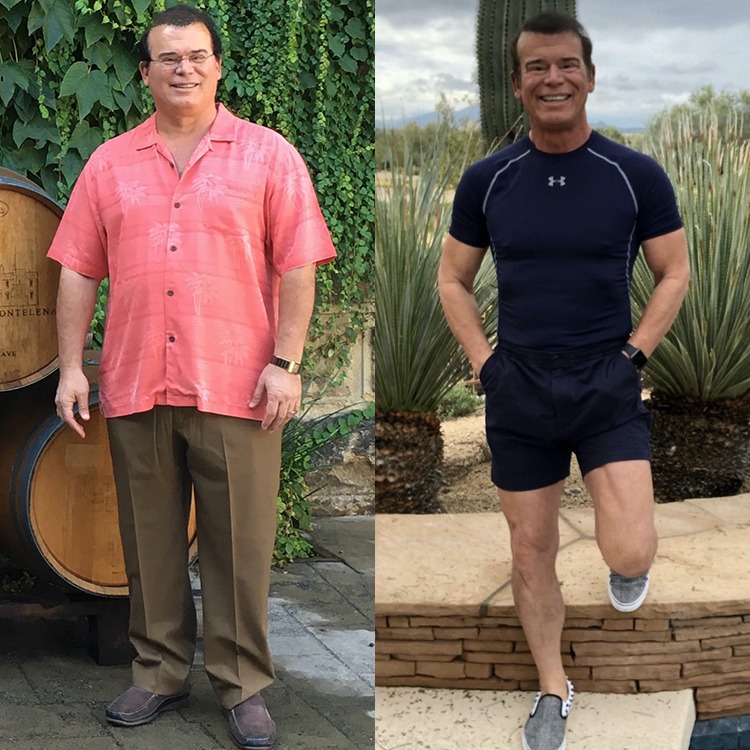
Nick
Nick's Story
"I wish I would have come here first. We spend all our time reacting to the next great weight loss tip or program. It might work for a while, but does not last and we end up yo-yoing from one fad to the next – as we gain more weight." Read More

Gina
Lost 44.5 lbs
"I had no trouble adhering to the meals and they really helped catapult my progress! The classes were so beneficial to me because they helped change my thinking about how I viewed health, nutrition, and fitness.
I will always have my relationship with Scottsdale Weight Loss Center. They truly helped me change my life forever." Read More
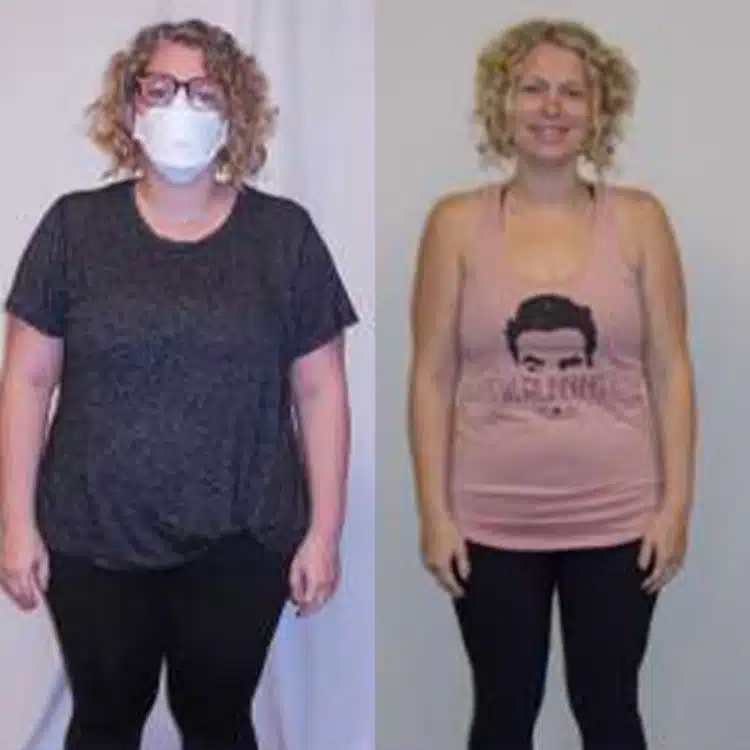
Lauren
Lost 60 lbs
"Dr. Ziltzer and everyone who I have come in contact with at the Scottsdale Weight Loss office have been so encouraging and I look forward to seeing them each week. It is now a year and 2 months later since I started. I am down 60 lbs., which is the average amount a 9-year-old weighs, it is crazy to think I lost a whole person! I feel amazing, I hit my goal weight in November 2021 just before Thanksgiving. Nothing on my body hurts anymore..." Read More
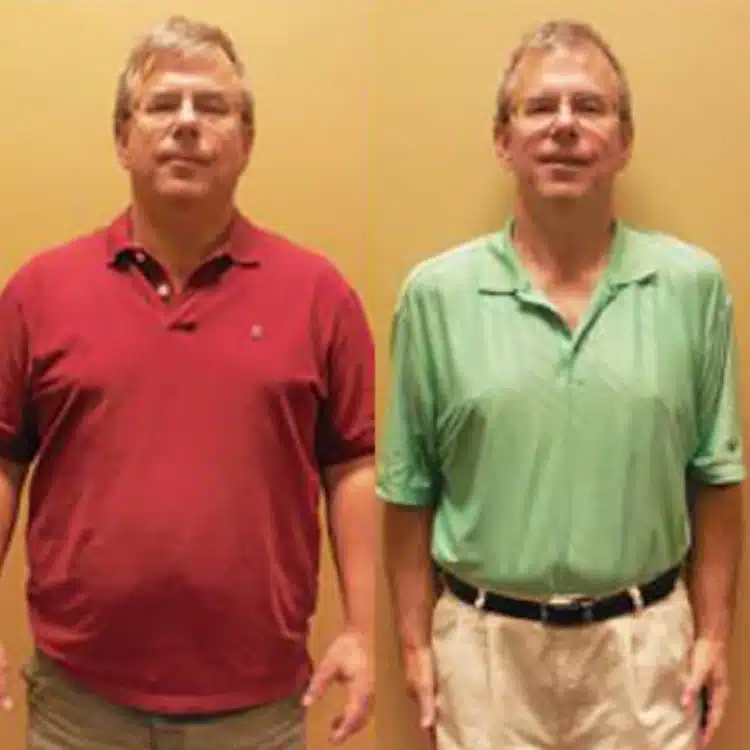
Chuck
Lost 66 lbs
"The best thing I did was call the Scottsdale Weight Loss Center. I have a lot more energy, I'm not hungry, and it feels great.
You can take it from me that this is a program that produces results. The staff is always positive, supportive, and never judgmental.
Your visits always result in positive reinforcement, no matter if you had a good week or a bad week." Read More
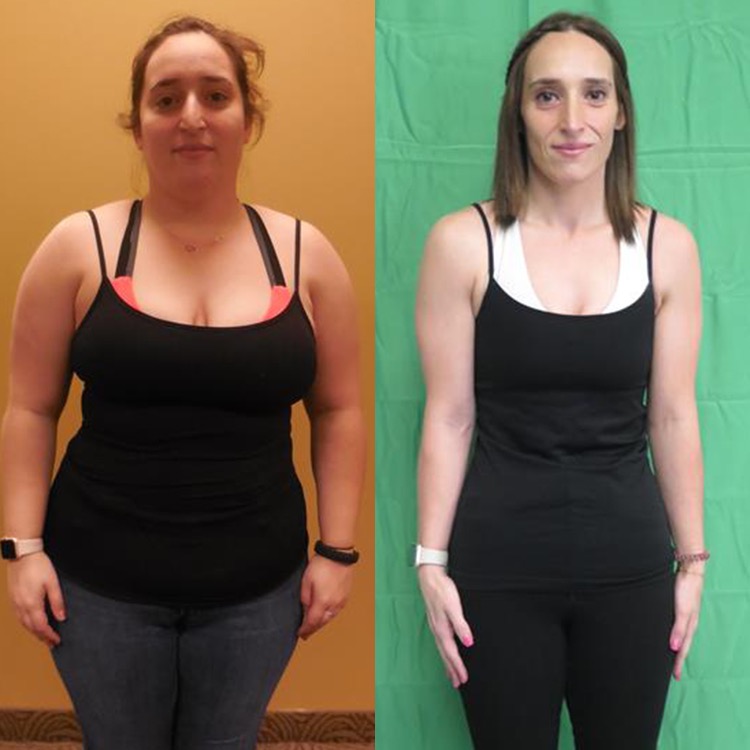
Emily
Lost 101 lbs
"Here I am at the lowest I have been since high school weighing in at 155lbs. I have lost 101 lbs, BMI of 39 when I started, to 21.6, and of course at body fat % of 47.1 to 26.5%. I told myself by my 30th birthday I wanted to be confident in the way I look and I owe it all to SWLC. The entire staff is so welcoming and they are rooting for you just as much as you are rooting for yourself...." Read More
Reviews
Meet Our Team

Robert Ziltzer, MD, FACP, FAAP, FOMA
Obesity Medicine Certified Physician

Diana Bone, FNP-C
Specializing in Obesity Medicine

Craig Primack, MD, FACP, FAAP, MFOMA
Obesity Medicine Certified Physician

Kristen Ash, FNP-C, FNP-BC
Nurse Practitioner

Alicia Earley, FNP-C
Family Nurse Practitioner
