When Weight Loss Feels Harder Than It Should: Hormone Therapy and Weight Loss in Scottsdale, AZ
Our obesity medicine physicians look beyond willpower to uncover hormonal, metabolic, and medical factors that may be affecting your weight and create a personalized path forward.
If you are making healthy changes but the scale still will not move, there may be more happening beneath the surface. Hormonal shifts, insulin resistance, medications, and other metabolic factors can affect your appetite, energy, body composition, and ability to lose weight; it is not simply a matter of willpower.
At Scottsdale Weight Loss Center, our obesity medicine physicians take the time to understand what may be standing in your way. With weight loss clinics located in Scottsdale, Phoenix, and Glendale, AZ, we evaluate your hormones, metabolic health, medications, nutrition, and medical history to create a personalized plan that works with your body and supports lasting progress.
How Hormones Can Affect Weight Management
Changes in hormone levels can affect several processes involved in weight management, including appetite, energy expenditure, muscle mass, fat distribution, and insulin sensitivity. Key physical factors affected by hormonal shifts include:
- Changes in baseline metabolic rate
- Increased appetite or frequent food cravings
- Shifts in body composition
- Reduced daily energy levels
- Loss of muscle mass
- Increased fat storage
Hormone Therapy &
Weight Loss

Low Testosterone and Body Composition

Thyroid Hormones and Weight Management

Menopause and Weight Changes
Insulin and Metabolic Health
Can Hormone Therapy Help With Weight Loss?
Hormone therapy may help address a diagnosed hormone deficiency or imbalance, but it is not a standalone treatment for obesity or a substitute for medical weight management. When hormone changes contribute to symptoms or changes in body composition, treating the underlying condition may be one part of a broader treatment plan.
At Scottsdale Weight Loss Center, physicians evaluate the potential causes of weight gain and difficulty losing weight before recommending treatment. Depending on your individual needs, your plan may include:
- Hormone evaluation and laboratory testing
- Medical nutrition guidance and meal replacement
- The Jumpstart© Program
- Prescription weight loss medications when appropriate
- Treatment for underlying medical conditions
- Ongoing physician monitoring
Who May Benefit From Hormone Therapy and Weight Loss Treatment?
Medical evaluation determines if hormone therapy and medical weight loss protocols are appropriate for your specific health profile. Adults experiencing unexplained physical shifts alongside laboratory findings often benefit from specialized clinical care.
You may be a candidate for hormone therapy if you experience difficult-to-manage weight changes, shifts in body composition, or menopausal weight gain. Symptoms associated with low testosterone, thyroid dysfunction, or other metabolic conditions also indicate that a clinical blood panel is appropriate. An evaluation by a physician is necessary to determine whether hormone therapy fits your needs, as these symptoms should not be used as a self-diagnosis checklist.
Why Choose Our Obesity Medicine Specialists
At Scottsdale Weight Loss Center, hormone-related factors are evaluated within a broader medical weight management plan. Dr. Robert Ziltzer and Dr. Craig Primack are board-certified in Obesity Medicine and have specialized training in the medical treatment of weight-related conditions. Their approach considers the factors that may affect your weight, metabolism, and overall health, including hormone changes, insulin resistance, medications, nutrition, and other medical conditions.
What to Expect From Your Evaluation and Treatment Plan
Your care begins with a comprehensive consultation with one of our weight loss physicians. We will discuss your weight history, current symptoms, previous weight-loss efforts, nutrition, activity level, sleep, medications, medical conditions, and personal goals. This helps us understand the full picture and not simply the number on the scale.
When clinically appropriate, your physician may recommend laboratory testing to evaluate factors such as thyroid function, blood sugar regulation, insulin resistance, or hormone levels. Once the results are available, your physician will explain what they mean and whether an underlying hormonal or metabolic condition may be affecting your weight or overall health.
Your personalized plan may include nutrition guidance, behavioral support, prescription weight-loss medication, treatment of an identified medical condition, or hormone therapy when a deficiency or imbalance has been properly diagnosed. Because hormone therapy is not appropriate for everyone, recommendations are based on your test results, symptoms, health history, and potential risks and benefits.
Regular follow-up visits allow your physician to monitor your progress, review symptoms, adjust treatment when needed, and help you build a sustainable approach to weight management. Results and timelines vary, but the goal is to give you medically informed guidance and ongoing support tailored to how your body responds.
Frequently Asked Questions
Does hormone replacement therapy cause weight loss?
Hormone replacement therapy treats hormone deficiencies rather than inducing rapid fat loss. Restoring normal hormone levels normalizes metabolic function and supports active weight loss efforts.
Can hormone therapy be combined with weight loss medication?
Yes, physicians can safely combine hormone therapies with prescription weight loss medications when clinically appropriate. Our medical team monitors your blood panels to coordinate safe multi-treatment protocols.
How long does it take to lose weight with hormone therapy?
Initial metabolic improvements usually begin within two to four weeks after starting treatment. Physical weight reduction varies based on your overall compliance with your broader medical weight loss plan.
How do I know if my hormones are affecting my weight?
Comprehensive diagnostic blood testing is the only definitive way to evaluate your hormone levels. Experiencing unexplained weight gain alongside fatigue or mood shifts indicates a clinical blood evaluation is appropriate.
Get Medical Guidance for Hormone Therapy and Weight Loss
Find out whether hormonal changes may be affecting your weight. Schedule a consultation today with the physicians at Scottsdale Weight Loss Center to discuss hormone therapy and weight loss, and the treatment options that may be appropriate for your health needs. We serve patients in Scottsdale, Phoenix, Glendale, and surrounding areas.
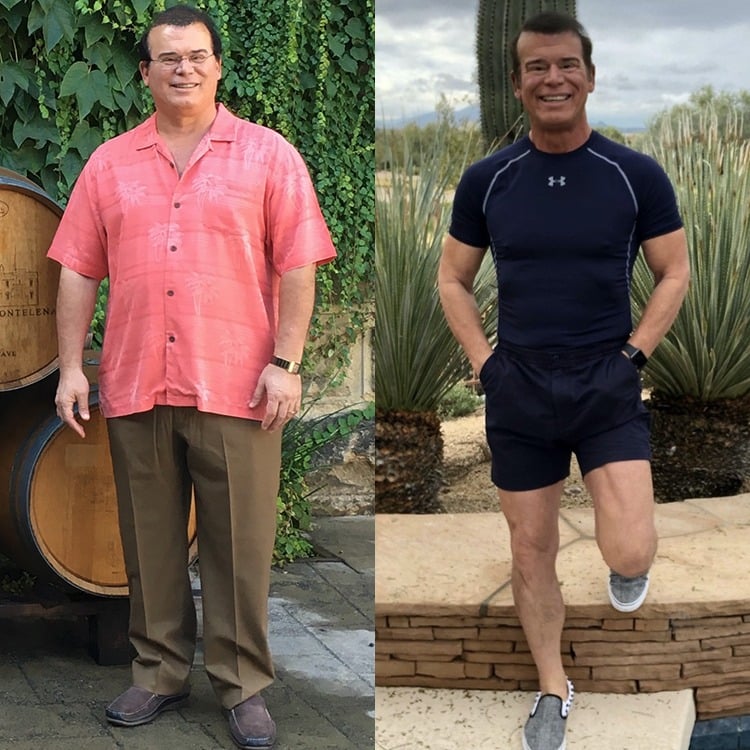
Nick's Story
"I wish I would have come here first. We spend all our time reacting to the next great weight loss tip or program. It might work for a while, but does not last and we end up yo-yoing from one fad to the next – as we gain more weight." Read More

Lost 44.5 lbs
"I had no trouble adhering to the meals and they really helped catapult my progress! The classes were so beneficial to me because they helped change my thinking about how I viewed health, nutrition, and fitness.
I will always have my relationship with Scottsdale Weight Loss Center. They truly helped me change my life forever." Read More
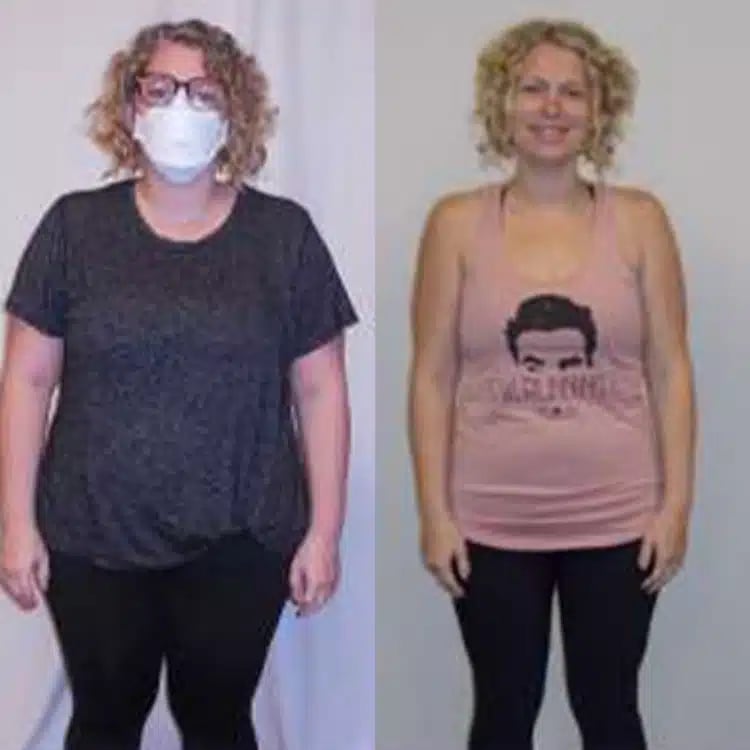
Lost 60 lbs
"Dr. Ziltzer and everyone who I have come in contact with at the Scottsdale Weight Loss office have been so encouraging and I look forward to seeing them each week. It is now a year and 2 months later since I started. I am down 60 lbs., which is the average amount a 9-year-old weighs, it is crazy to think I lost a whole person! I feel amazing, I hit my goal weight in November 2021 just before Thanksgiving. Nothing on my body hurts anymore..." Read More
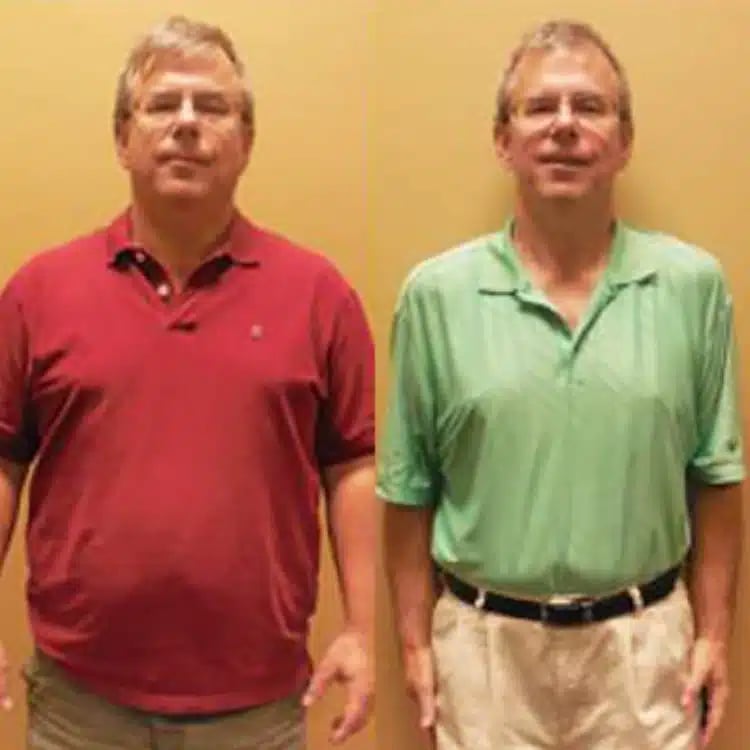
Lost 66 lbs
"The best thing I did was call the Scottsdale Weight Loss Center. I have a lot more energy, I'm not hungry, and it feels great.
You can take it from me that this is a program that produces results. The staff is always positive, supportive, and never judgmental.
Your visits always result in positive reinforcement, no matter if you had a good week or a bad week." Read More
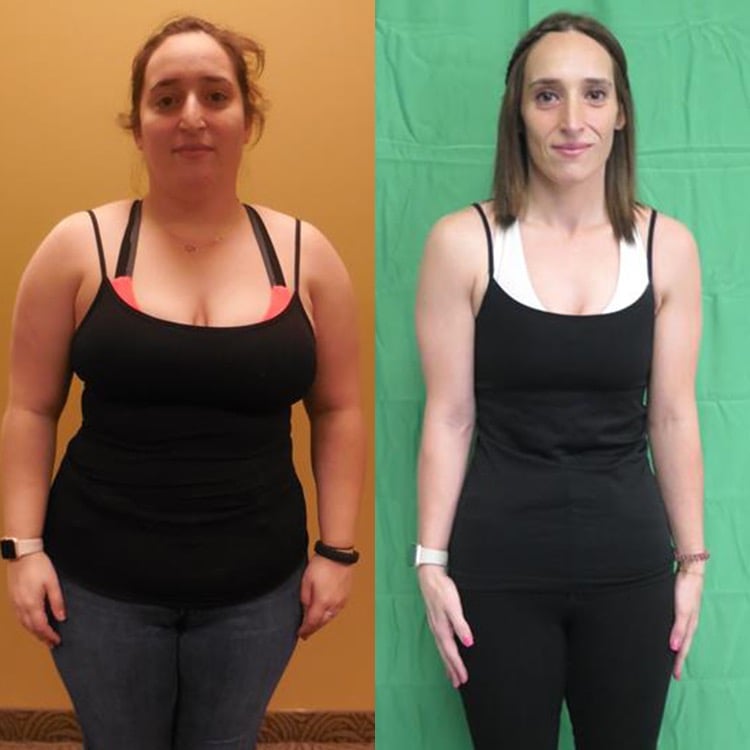
Lost 101 lbs
"Here I am at the lowest I have been since high school weighing in at 155lbs. I have lost 101 lbs, BMI of 39 when I started, to 21.6, and of course at body fat % of 47.1 to 26.5%. I told myself by my 30th birthday I wanted to be confident in the way I look and I owe it all to SWLC. The entire staff is so welcoming and they are rooting for you just as much as you are rooting for yourself...." Read More
Reviews



Meet Our Team

Robert Ziltzer, MD, FACP, FAAP, FOMA

Diana Bone, FNP-C

Craig Primack, MD, FACP, FAAP, MFOMA

Kristen Ash, FNP-C, FNP-BC