Our weight loss specialists help patients throughout Scottsdale, Phoenix, Chandler, and Glendale identify the root cause of weight gain and achieve healthier, lasting results through personalized medical weight loss care.
At Scottsdale Weight Loss Center, we look beyond the number on the scale to identify the factors that may be standing in your way. Our board-certified obesity medicine specialists create personalized treatment plans that address the root cause of weight gain—not just the symptoms.
We Commonly Help Patients Struggling With:
Weight Loss During Menopause
Hormonal shifts during menopause can slow metabolism, increase abdominal fat, and make weight loss more difficult than ever before. We help women navigate these changes with evidence-based medical weight loss strategies tailored to this stage of life.
Sleep Apnea & Weight Management
Poor sleep and untreated sleep apnea can disrupt hormones that regulate hunger, energy, and metabolism. Losing weight may improve sleep apnea symptoms, while treating sleep-related challenges can also make weight loss more achievable.
Weight Loss After 40
As we age, muscle mass naturally declines and metabolism slows, making it easier to gain weight and harder to lose it. Our physicians develop personalized plans to help patients over 40 overcome these biological changes and regain control of their health.
Weight Loss After 50
Weight loss after 50 often requires a different approach than it did years ago. Whether you’re navigating menopause, changes in activity level, or age-related metabolic shifts, we’ll help you achieve healthy, sustainable results with physician-guided care.
Hormone Replacement Therapy (HRT) & Weight Loss
Hormonal imbalances can influence body composition, energy levels, and weight. While HRT isn’t a weight loss treatment, it may play a role in helping some patients feel their best as part of a comprehensive medical weight management plan.
Prediabetes & Weight Loss
If you’ve been diagnosed with prediabetes, losing weight can significantly improve blood sugar regulation and reduce your risk of developing Type 2 diabetes. Our physicians create personalized treatment plans designed to improve metabolic health while supporting safe, lasting weight loss.
No matter what’s making weight loss more challenging, our goal is to help you understand why your body is responding the way it is—and provide the medical expertise and support you need to achieve lasting success.
Ideal Candidates for Medical Weight Loss
Excess weight acts as a complex medical condition that alters metabolic rates and appetite. Our board-certified obesity medicine specialists treat this issue as a primary chronic illness rather than a lifestyle failure. We look at your individual metrics to build clear pathways for long-term weight reduction.
Our medical staff uses clear clinical criteria to determine who can benefit most from our programs. Ideal candidates include:
- Individuals maintaining a body mass index of 30 or higher.
- Patients with a body mass index of 27 who face concurrent weight-related health challenges.
- Men and women experiencing structural weight plateaus on traditional diets.
Certain medical factors mean professional programs may not be safe for your specific situation. Our physicians screen your medical background to rule out clear contraindications:
- Active pregnancy or current breastfeeding status.
- A personal or family history of medullary thyroid carcinoma (GLP-1 drugs only)
- Multiple Endocrine Neoplasia syndrome type 2 (GLP-1 drugs only)
- Unmanaged organ failure, including severe renal or hepatic impairment.
- Active, untreated eating disorders such as anorexia or bulimia.
Our Approach to Medical Weight Management
Successful weight management requires more than temporary dieting. Our programs are designed to address the factors contributing to weight gain while providing the accountability and medical supervision needed for long-term success.
Treatment options may include:
- Physician-supervised medical weight loss
- Advanced GLP-1 medications
- The Jumpstart© Program
- Nutrition counseling and meal planning
- Meal replacement programs
- Weight loss classes and behavioral support
- Ongoing progress monitoring
Every treatment plan is customized to the individual patient’s needs and goals.
Why Choose Scottsdale Weight Loss Center
Medical Weight Loss Management FAQs
How is medical weight loss different from a commercial diet program?
Unlike commercial programs, medical weight loss is overseen by healthcare professionals who evaluate your medical history, monitor your progress, and create a personalized treatment plan based on your health needs.
Can medical weight loss help if I have diabetes or prediabetes?
Yes. Many medical weight loss programs are designed to support improved blood sugar control and may be appropriate for patients with prediabetes or type 2 diabetes, depending on their individual health status.
Are weight loss medications safe?
Prescription weight loss medications are prescribed only after a thorough review of your medical history, current medications, and risk factors. Ongoing monitoring helps promote safe and effective treatment
How much weight can I expect to lose?
Results vary from person to person. Weight loss depends on factors such as starting weight, adherence to the program, including how aggressively we adjust your diet, activity level, sleep duration and whether medications are included in the treatment plan.
What happens if I stop taking weight loss medication?
Your provider will discuss a long-term strategy that includes nutrition, activity, and behavior changes to help maintain results if medication is reduced or discontinued.
Is medical weight loss covered by insurance?
Coverage varies by insurance plan and by the services provided. Our team can help you understand available payment and insurance options.
Begin Your Medical Weight Journey
Take the next step toward better health with the physician-supervised medical weight loss program at Scottsdale Weight Loss Center. Schedule your consultation today and discover your options for medical weight loss in Scottsdale, Phoenix, and Glendale, AZ.
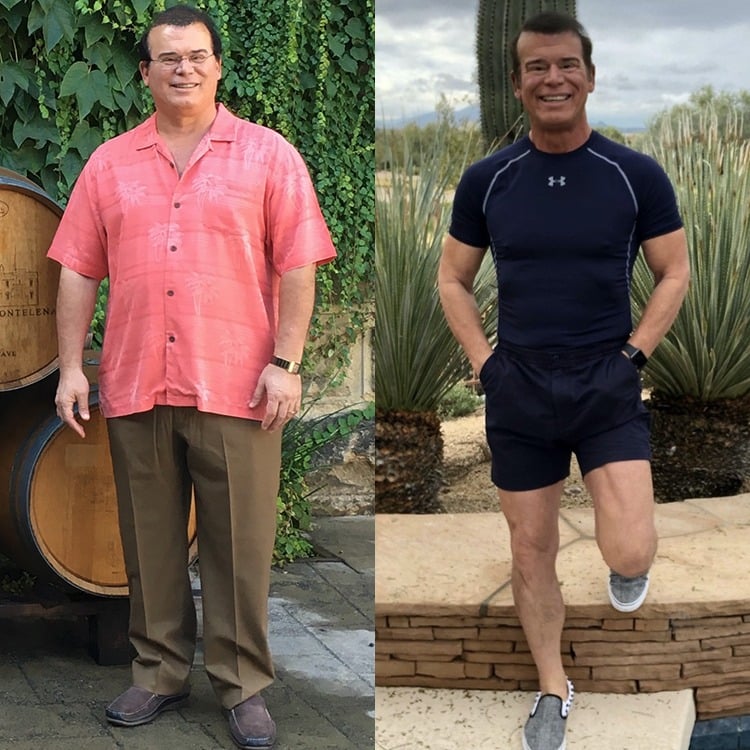
Nick's Story
"I wish I would have come here first. We spend all our time reacting to the next great weight loss tip or program. It might work for a while, but does not last and we end up yo-yoing from one fad to the next – as we gain more weight." Read More

Lost 44.5 lbs
"I had no trouble adhering to the meals and they really helped catapult my progress! The classes were so beneficial to me because they helped change my thinking about how I viewed health, nutrition, and fitness.
I will always have my relationship with Scottsdale Weight Loss Center. They truly helped me change my life forever." Read More
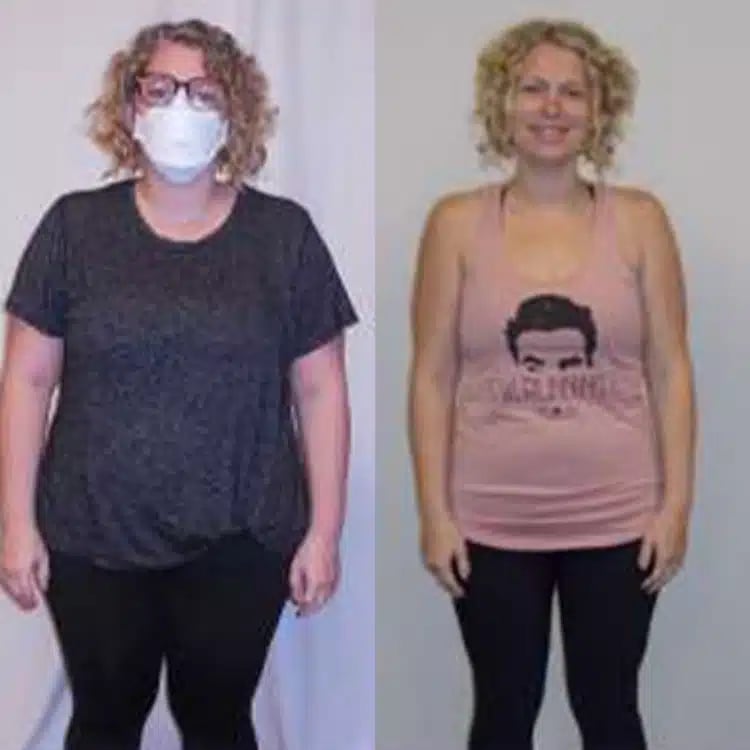
Lost 60 lbs
"Dr. Ziltzer and everyone who I have come in contact with at the Scottsdale Weight Loss office have been so encouraging and I look forward to seeing them each week. It is now a year and 2 months later since I started. I am down 60 lbs., which is the average amount a 9-year-old weighs, it is crazy to think I lost a whole person! I feel amazing, I hit my goal weight in November 2021 just before Thanksgiving. Nothing on my body hurts anymore..." Read More
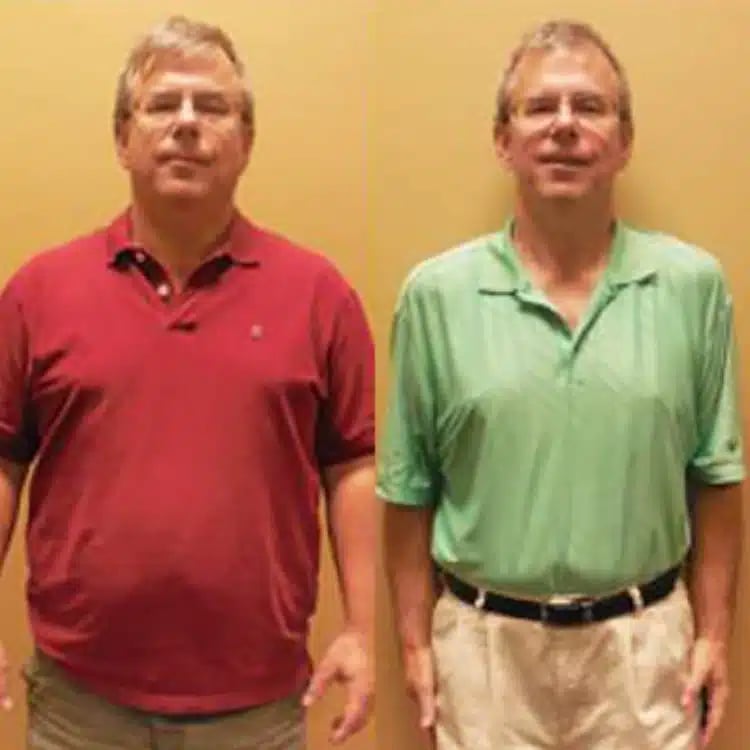
Lost 66 lbs
"The best thing I did was call the Scottsdale Weight Loss Center. I have a lot more energy, I'm not hungry, and it feels great.
You can take it from me that this is a program that produces results. The staff is always positive, supportive, and never judgmental.
Your visits always result in positive reinforcement, no matter if you had a good week or a bad week." Read More
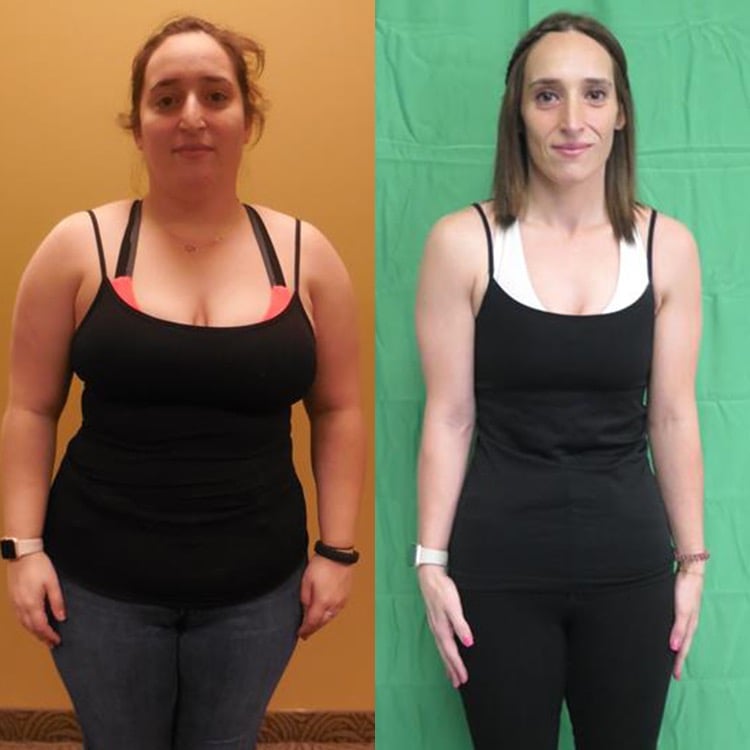
Lost 101 lbs
"Here I am at the lowest I have been since high school weighing in at 155lbs. I have lost 101 lbs, BMI of 39 when I started, to 21.6, and of course at body fat % of 47.1 to 26.5%. I told myself by my 30th birthday I wanted to be confident in the way I look and I owe it all to SWLC. The entire staff is so welcoming and they are rooting for you just as much as you are rooting for yourself...." Read More
Reviews



Meet Our Team
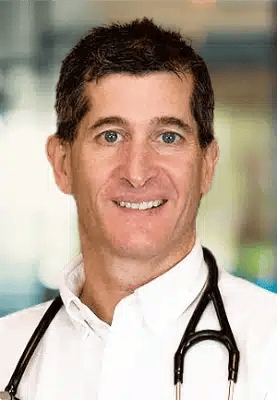
Robert Ziltzer, MD, FACP, FAAP, FOMA

Diana Bone, FNP-C

Craig Primack, MD, FACP, FAAP, MFOMA

Kristen Ash, FNP-C, FNP-BC