Sleep Apnea & Medical Weight Loss
Waking up tired shouldn’t be your normal. Scottsdale Weight Loss Center helps patients throughout Scottsdale, Phoenix, Chandler, and Glendale improve sleep, regain energy, and achieve lasting weight loss with personalized care designed to address the root causes of obstructive sleep apnea and obesity.
The Deep Connection Between Weight and Sleep Apnea
Obstructive Sleep Apnea occurs when the muscles in the back of the throat relax too much during sleep, causing your airway to narrow or close completely.
- The Weight Factor: Excess weight, specifically fat deposits around the neck and upper airways, adds physical pressure to your breathing passages, making them much more likely to collapse during the night.
- The Vicious Cycle: Poor sleep disrupts hunger hormones like ghrelin and leptin, which increases cravings for high-calorie foods and saps the energy you need to stay active. This often leads to further weight gain, which worsens your sleep apnea and so forth.
Research consistently shows that losing even 10% of your body weight can significantly reduce the severity of sleep apnea, and in some cases, can eliminate the need for a CPAP machine.
How Do You Know If Your Weight Is Causing Sleep Apnea?
It isn’t always easy to tell if your weight is the primary trigger for your sleep issues, but certain physical signs strongly point to weight-induced Obstructive Sleep Apnea. You are highly likely to be dealing with obesity-related sleep apnea if you notice these key indicators:
- Increased Neck Circumference: Excess fatty tissue around the throat is one of the strongest predictors of airway collapse. Generally, a neck size greater than 17 inches for men or 16 inches for women drastically increases your risk.
- Weight-Linked Snoring: If your loud snoring started, or became noticeably worse and more frequent, after a period of weight gain, the two are heavily interconnected.
- Positional Breathing Difficulties: If you find it significantly harder to breathe or stay asleep while lying flat on your back compared to sleeping on your side, excess chest and abdominal weight is likely pressing down on your respiratory system.
- The “Waking Up Gasping” Effect: Frequently waking up choking, coughing, or gasping for air occurs because gravity, combined with tissue weight, completely blocks your breathing passage until your brain forces you awake.
Who Are the Best Candidates for Medical Weight Management?
Our physician-supervised program is specifically designed for individuals who want to tackle both their weight and their sleep quality simultaneously. You are an ideal candidate for our care if you:
- Have been clinically diagnosed with obstructive sleep apnea and want to safely lower your CPAP pressure settings or work on eliminating the machine.
- Suffer from chronic daytime fatigue and find that standard commercial diets fail because sleep deprivation keeps your hunger hormones permanently off-balance.
- Are trapped in a frustrating cycle of weight gain and worsening sleep, and want a science-backed solution tailored to your unique metabolic profile.
- Want to protect your long-term health from obesity-related complications like type 2 diabetes, high blood pressure, and cardiovascular strain.
Our Medical Approach to Weight Management & Better Sleep
Losing weight when you suffer from chronic sleep deprivation requires more than just the standard “eat less, move more” advice. It requires medical oversight. Led by board-certified obesity medicine specialists, our Jumpstart Program addresses the unique metabolic challenges caused by poor sleep.
How to Get Started with Our Program & Classes
If you are interested in our supportive medical weight loss classes, we make onboarding seamless:
- Initial Assessment: You will fill out your initial health assessment online prior to your first appointment.
- Pre-Physical & Consultation: Next, you will meet with one of our expert clinicians for a comprehensive medical pre-physical and consultation to tailor a plan to your health goals.
- Interactive Zoom Classes: Once you have completed your first meeting with the clinician, you can instantly sign up for our live Zoom classes using the convenient QR code located on our schedules.
Expert-Led Medical Weight Loss Across the Valley
At Scottsdale Weight Loss Center, your care is designed and supervised by Dr. Robert Ziltzer MD and Dr. Craig Primack MD, pioneering, board-certified obesity medicine specialists with decades of clinical experience helping patients reverse sleep apnea through targeted weight management.
Our physician-led clinical team deeply understands the complex biological relationship between chronic fatigue, oxygen deprivation, and metabolic health. By treating medical weight loss as the vital healthcare it is, we provide you with a safe, evidence-based, and highly accountable path to clearer airways, better sleep quality, and long-term success.
Sleep Apnea & Weight Loss FAQs
Can you cure sleep apnea by losing weight?
Yes, for many individuals. Weight loss and sleep apnea are directly linked; reducing fat deposits around the neck removes the physical obstruction blocking your airway. Mild-to-moderate obstructive sleep apnea (OSA) may often be completely reversed with significant weight loss, while severe cases see a drastic reduction in symptom severity.
How much weight do I need to lose to improve sleep apnea?
Losing just 5% to 10% of your starting body weight can significantly improve sleep apnea symptoms. Clinical data shows that a 10% weight reduction can yield up to a 50% decrease in sleep apnea episodes per hour, dramatically quiet your snoring, and restore daytime energy.
Why is it so hard to lose weight with sleep apnea?
Sleep apnea causes chronic sleep deprivation, which alters critical metabolism and hunger hormones. It spikes ghrelin (the hormone that triggers hunger) and lowers leptin (the hormone that signals fullness). This hormonal imbalance creates intense cravings for high-calorie carbohydrates, while elevated stress hormones (cortisol) cause your body to hold onto fat.
Do weight loss medications like GLP-1s help with sleep apnea?
Yes. Medical weight loss treatments, including FDA-approved GLP-1 medications, are highly effective tools. Recent clinical studies show that these medications not only drive substantial weight loss but also directly target upper airway fat, leading to a profound reduction in sleep apnea severity. Our physicians evaluate your medical history to see if medication is right for you.
Ready to Sleep Better and Feel Better?
You don’t have to live with chronic fatigue and disrupted sleep. Get treatment for sleep apnea at Scottsdale Weight Loss Center. Contact our medical team today to schedule your initial consultation in any of our convenient locations in Glendale, Phoenix, and Scottsdale, AZ. Learn how losing weight safely, efficiently, and sustainably can help you finally get the restorative rest your body deserves.
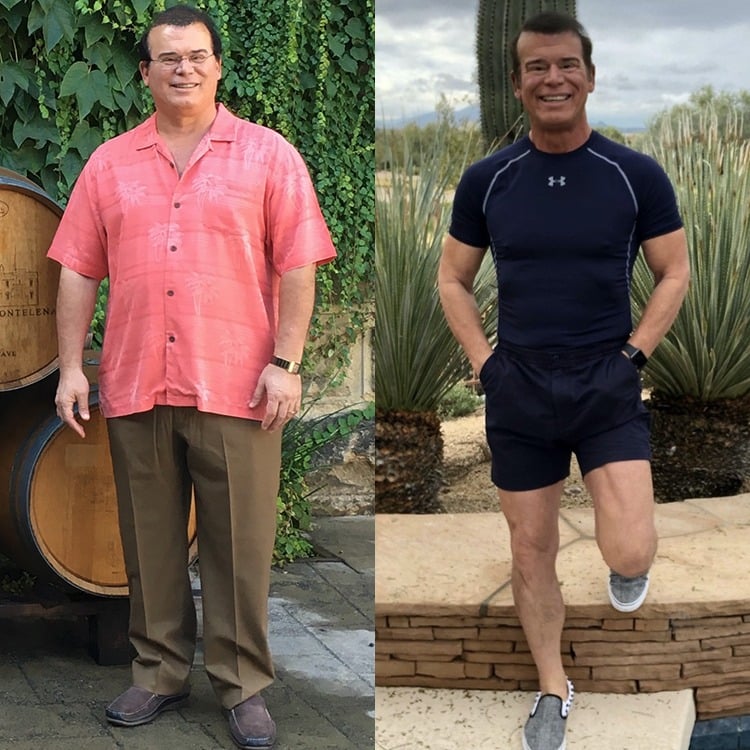
Nick's Story
"I wish I would have come here first. We spend all our time reacting to the next great weight loss tip or program. It might work for a while, but does not last and we end up yo-yoing from one fad to the next – as we gain more weight." Read More

Lost 44.5 lbs
"I had no trouble adhering to the meals and they really helped catapult my progress! The classes were so beneficial to me because they helped change my thinking about how I viewed health, nutrition, and fitness.
I will always have my relationship with Scottsdale Weight Loss Center. They truly helped me change my life forever." Read More
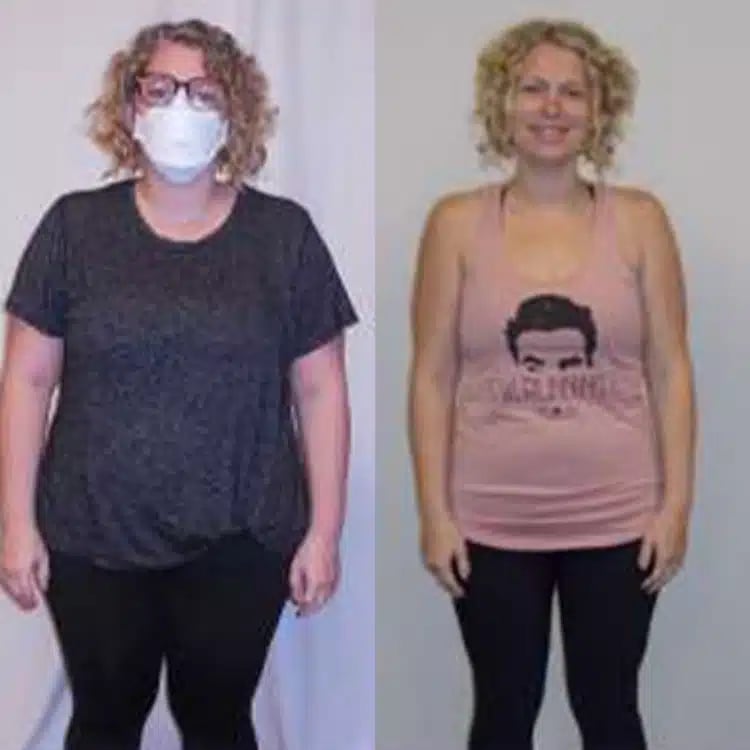
Lost 60 lbs
"Dr. Ziltzer and everyone who I have come in contact with at the Scottsdale Weight Loss office have been so encouraging and I look forward to seeing them each week. It is now a year and 2 months later since I started. I am down 60 lbs., which is the average amount a 9-year-old weighs, it is crazy to think I lost a whole person! I feel amazing, I hit my goal weight in November 2021 just before Thanksgiving. Nothing on my body hurts anymore..." Read More
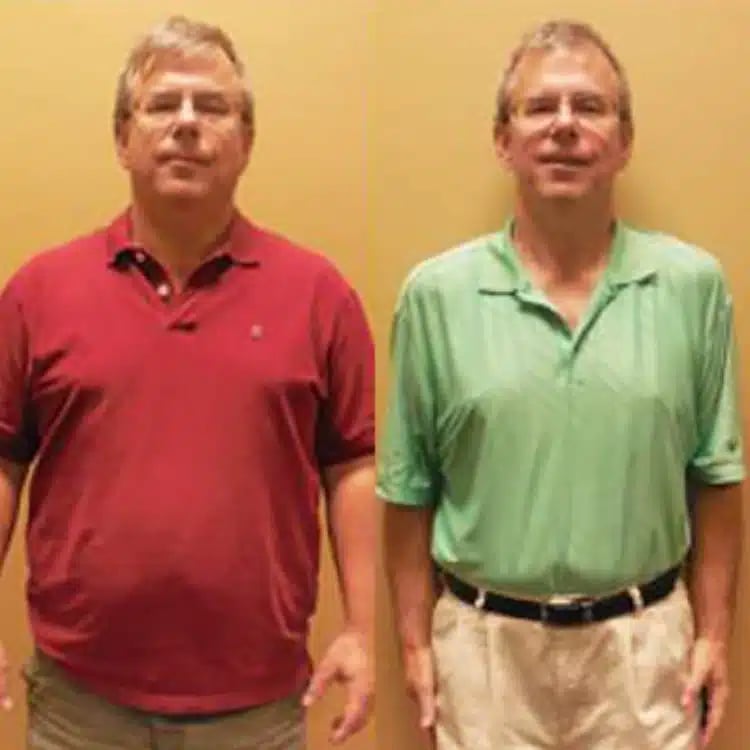
Lost 66 lbs
"The best thing I did was call the Scottsdale Weight Loss Center. I have a lot more energy, I'm not hungry, and it feels great.
You can take it from me that this is a program that produces results. The staff is always positive, supportive, and never judgmental.
Your visits always result in positive reinforcement, no matter if you had a good week or a bad week." Read More
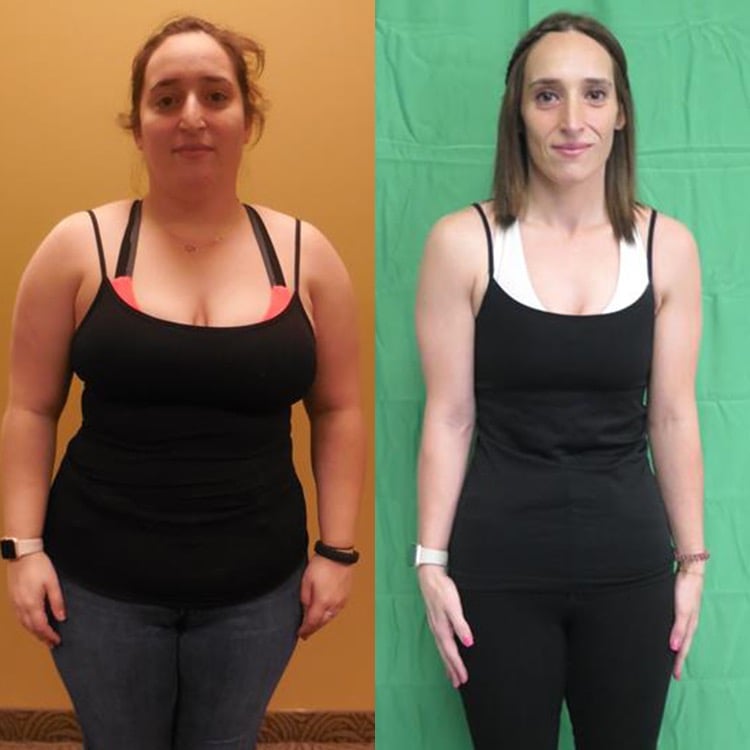
Lost 101 lbs
"Here I am at the lowest I have been since high school weighing in at 155lbs. I have lost 101 lbs, BMI of 39 when I started, to 21.6, and of course at body fat % of 47.1 to 26.5%. I told myself by my 30th birthday I wanted to be confident in the way I look and I owe it all to SWLC. The entire staff is so welcoming and they are rooting for you just as much as you are rooting for yourself...." Read More
Reviews



Meet Our Team

Robert Ziltzer, MD, FACP, FAAP, FOMA

Diana Bone, FNP-C

Craig Primack, MD, FACP, FAAP, MFOMA

Kristen Ash, FNP-C, FNP-BC