
Liquid calories are fluids consumed as part of your daily diet that often go unnoticed and...
How to Preserve Muscle During Weight Loss with Protein
By: Kristen Ash, FNP-C, FNP-BC
Published: July 1, 2026

Rock Climbing: Lose Weight on the Wall
If your weight loss efforts have hit a wall, why not climb it? Rock climbing is becoming an...
Weight Watchers vs. Medical Weight Loss Programs in Scottsdale: Comparing the Results
Many residents in Scottsdale, Phoenix, and Glendale struggle with weight loss plateaus despite...
Arizona Medical Weight Loss Programs vs Online Programs: Which One Provides the Best Results?
The weight loss landscape has shifted significantly with the rise of digital health platforms....
Is Brown Rice Healthier Than White Rice?
Is brown rice better than white rice? Intuitively, one would think that brown rice is much...
Tirzepatide vs. Semaglutide: Which Weight Loss Medication is Better?
Modern medical weight loss has been changed by the arrival of highly effective prescription...
When most people try to lose weight, they watch one number: the scale. But not all weight loss is the same. Losing fat while keeping your muscle is what really matters — and it makes a big difference in how you look, feel, and stay healthy long-term.
Here’s what the science says about how to do weight loss right.
Why Muscle Preservation Matters During Weight Loss
When you eat less to lose weight, your body doesn’t just burn fat. It also breaks down muscle. Studies show that about one-quarter of the weight people lose comes from lean tissue — including muscle — not fat. With very fast weight loss, that number can be even higher.
Why should you care? Muscle is your body’s engine. It burns calories even when you’re resting, helps control blood sugar, and keeps you strong and steady on your feet as you get older. Losing too much muscle during a diet can lead to:
- A slower metabolism, making it harder to keep the weight off
- Less strength and energy for daily activities
- A higher risk of falls and broken bones, especially as you age
- A condition called “sarcopenic obesity” — where someone carries extra fat but has dangerously low muscle
A large study of older adults with type 2 diabetes found that people who lost weight while also gaining muscle had about two-thirds lower heart disease risk compared to those who gained weight. But those who lost weight and lost muscle at the same time saw no heart health benefit at all. The lesson: how you lose weight matters just as much as how much you lose.
How Much Protein Do You Need to Eat?
Protein is the single most important nutrient for protecting your muscles when you’re losing weight. When you’re eating fewer calories, your body needs extra protein to repair and hold on to muscle.
Here’s what medical weight loss experts recommend:
- The basic daily recommendation for protein is about 0.4 grams per pound of body weight — but this is a bare minimum for the general population, not a goal for someone trying to lose weight.
- During active weight loss, aim for about 0.5 to 0.7 grams of protein per pound of body weight per day. For a 180-pound person, that works out to roughly 90 to 130 grams of protein a day.
- A simple, easy-to-remember target: shoot for 80 to 120 grams of protein per day.
A few helpful tips from our Arizona medical weight loss team:
- Spread your protein across all your meals instead of loading it all into dinner. About 35 grams of protein per meal is a good target to help your muscles make the best use of it.
- If you have kidney disease, see the special note below — your protein needs are different.
How Much Protein if You Carry a Lot of Extra Weight?
If you’re significantly overweight, calculating protein based on your total body weight can give you a number that’s too high. That’s because extra body fat doesn’t need protein the way muscle does. Experts haven’t settled on one perfect method, but here are the most common approaches:
- Use your “ideal” body weight — the weight that would be healthy for your height — instead of your actual weight. For example, if you weigh 280 pounds but your ideal weight for your height is about 170 pounds, you’d calculate your protein needs based on 170 pounds (roughly 85 to 120 grams per day).
- Use your lean body mass — the weight of everything in your body except fat (muscle, bones, organs, water). This is considered the most accurate method, but it requires a body composition test to measure (see the section below on body composition tools). A good target is about 0.7 grams of protein per pound of lean body mass per day.
- Skip the math entirely and aim for the simple absolute target of 80 to 120 grams of protein per day. This range works well for most people and is much easier to follow.
Your weight loss doctor or a registered dietitian can help you figure out which approach makes the most sense for you.
A Note on Protein for People with Kidney Disease
If you have kidney disease and are not on dialysis, the recommended protein intake is about 0.36 grams per pound of body weight per day — roughly 65 grams per day for a 180-pound person. This is lower than the targets above because too much protein can put extra strain on kidneys that aren’t working at full capacity. If you are on dialysis, your protein needs are actually higher — about 0.45 to 0.55 grams per pound per day (roughly 80 to 100 grams for a 180-pound person) — because dialysis causes protein loss. Either way, talk to your doctor or a dietitian who specializes in kidney health before making changes to your protein intake.
Best Protein Sources for Weight Loss
Not all protein is the same. When you’re trying to lose weight, you want foods that are high in protein but not loaded with extra calories.
Great choices include:
- Fish and seafood — high in protein and heart-healthy omega-3 fats
- Eggs — affordable, easy to prepare, and packed with the building blocks your muscles need
- Greek yogurt and cottage cheese — lots of protein per serving, plus calcium for strong bones
- Lean poultry — chicken breast and turkey are protein powerhouses
- Beans, lentils, and chickpeas — excellent plant-based options with added fiber to keep you full
- Nuts, seeds, and nut butters — nutritious for snacking, but watch your portions since they’re calorie-dense
- Whey protein shakes or powders — research shows whey protein is especially good at helping your muscles recover during weight loss
- Medical meal replacements — these are pre-packaged shakes, bars, soups, or other products that contain a set amount of protein (typically 13 to 21 grams per serving), along with added vitamins and minerals. They take the guesswork out of portion control and nutrition. Replacing one or two meals a day with a high-protein meal replacement has been shown to improve weight loss compared to dieting alone. They can be especially helpful when you’re short on time, have a reduced appetite from weight-loss medication, or need a convenient way to make sure you’re hitting your protein goals. Look for products that are fortified with vitamins and minerals and contain at least 15 to 20 grams of protein per serving. Talk to your weight loss doctor or dietitian about which products are right for you.
A helpful mealtime trick: eat your protein first. When your appetite is smaller — whether from dieting or weight loss medication — eating protein-rich foods at the start of a meal makes sure you get the most important nutrient before you feel full.
Strength Training and Muscle Retention During Medical Weight Loss
Here’s something that can’t be said enough: protein alone is not enough to keep your muscle during weight loss. You also need to challenge your muscles with resistance training — things like lifting weights, using resistance bands, or doing bodyweight exercises like squats and push-ups.
The research is clear:
- Adding exercise to a weight-loss diet saves nearly half of the muscle that would otherwise be lost.
- In older adults, strength training prevented up to 93% of muscle loss compared to dieting alone.
- A combination of strength training and cardio (like walking, biking, or swimming) gives you the best results. Cardio alone does much less to protect your muscle.
- You don’t need to spend hours in the gym. Two to three sessions per week, focusing on the major muscle groups, makes a real difference.
One encouraging finding: even when you’re eating less and can’t build much new muscle, you can still get stronger. That’s because early strength gains come from your brain and nervous system learning to use your muscles more efficiently — not just from the muscles getting bigger.
The bottom line: aim for at least two to three strength training sessions per week during any weight-loss effort. Focus on exercises that work multiple muscles at once — like squats, lunges, rows, and presses.
Body Composition vs. Scale Weight
The number on the scale tells you how much you weigh — but it doesn’t tell you what your body is made of. Two people at the same weight can have very different amounts of muscle and fat, and very different health.
Studies show that changes in weight don’t always match changes in body fat. In one study, real improvements in body composition were missed in nearly one-third of people whose weight stayed the same. On the flip side, some people who lose weight on the scale are losing a lot of muscle along with fat — which isn’t the goal.
There are tools that can give you a much more complete picture than the scale alone:
- DEXA scan — considered the gold standard for measuring body composition. It uses a low-dose X-ray to precisely measure fat, muscle, and bone. DEXA scans are very accurate but are typically available only at specialized clinics or imaging centers.
- InBody scanner — a widely available body composition tool that uses bioelectrical impedance analysis (BIA). You stand on the device and hold hand electrodes for about 30 seconds, and it measures your lean body mass, body fat percentage, skeletal muscle mass, and how muscle and fat are distributed across your body. Many medical offices and gyms have InBody scanners, making them a convenient and practical option for regular monitoring. While not quite as precise as a DEXA scan, InBody is excellent for tracking trends over time — which is what matters most during a weight-loss journey.
Both tools can show whether the weight you’re losing is mostly fat (great!) or a mix of fat and muscle (a sign to adjust your protein or exercise plan). They can also help personalize your protein target by measuring your lean body mass directly.
Other simple ways to track your progress:
- How your clothes fit and how you look in the mirror
- Whether you’re getting stronger in your workouts
- Waist measurement — a simple way to track belly fat
- Your energy levels and how you feel day to day
The goal isn’t just to weigh less — it’s to be leaner, stronger, and healthier.
The Bottom Line on Protein and Medical Weight Loss
Keeping your muscle during weight loss comes down to three things:
- Eat enough protein — aim for about 0.5 to 0.7 grams per pound of body weight per day, or roughly 80 to 120 grams daily, from high-quality sources. If you carry a lot of extra weight, base your calculation on your ideal body weight or simply aim for the 80 to 120 gram range. If you have kidney disease, work with your weight loss doctor to find the right protein target for you.
- Lift weights — strength training two to three times per week is the most powerful way to protect your muscles when you’re cutting calories.
- Look beyond the scale — use body composition tools like a DEXA scan or InBody scanner to track how your body is actually changing, not just your weight.
Weight loss done right isn’t about getting smaller. It’s about getting stronger, healthier, and more resilient — and keeping the muscle that makes all of that possible.
Take the First Step Toward Healthier Weight Loss in Arizona
Losing weight is only part of the goal—losing fat while preserving muscle is what leads to better health, a stronger metabolism, and lasting results. At Scottsdale Weight Loss Center, our weight loss physicians develop customized medical weight loss plans designed to help you achieve both. Whether you’re considering GLP-1 medications, need guidance on nutrition and protein intake, or want expert support throughout your journey, we’re here to help. With weight loss clinics in Scottsdale, Phoenix, and Glendale, we proudly care for patients across the Valley.
Call us at (480) 366-4400 to schedule your consultation today and discover a medically supervised approach to weight loss that’s designed for long-term success!
—
References
- Heymsfield SB, Shapses SA. Guidance on Energy and Macronutrients Across the Life Span. New England Journal of Medicine. 2024;390(15):1391-1402.
- Mozaffarian D, Agarwal M, Aggarwal M, et al. Nutritional Priorities to Support GLP-1 Therapy for Obesity: A Joint Advisory From the American College of Lifestyle Medicine, the American Society for Nutrition, the Obesity Medicine Association, and the Obesity Society. Obesity. 2025.
- Nadolsky K, Garvey WT, Agarwal M, et al. American Association of Clinical Endocrinology Consensus Statement: Algorithm for the Evaluation and Treatment of Adults With Obesity/Adiposity-Based Chronic Disease — 2025 Update. Endocrine Practice. 2025.
- Lieberman DE, Aslan DH, Heymsfield SB. The Conundrum of Exercise for Weight Management in the GLP-1 Receptor Agonist Era. JAMA. 2026.
- Deller M, Weiershaus J, Held S, Brinkmann C. Effects of Calorie Restriction With and Without Strength, Endurance or Mixed Training on Fat-Free and Skeletal Muscle Mass in Overweight or Obese Individuals. Diabetes, Obesity and Metabolism. 2026.
- Swift DL, Ross LM, Laddu DR, et al. Role of Physical Activity in Obesity Treatment and Cardiometabolic Health: A Scientific Statement From the American Heart Association. 2026.
- Larsen MS, Witard OC, Holm L, et al. Dose-Response of Myofibrillar Protein Synthesis to Ingested Whey Protein During Energy Restriction in Overweight Postmenopausal Women. Journal of Nutrition. 2023;153(11):3159-3168.
- Edwards-Hampton SA, Ard J. The Latest Evidence and Clinical Guidelines for Use of Meal Replacements in Very-Low-Calorie Diets or Low-Calorie Diets for the Treatment of Obesity. Diabetes, Obesity and Metabolism. 2024.
- Apovian CM, Aronne L, Barenbaum SR. Clinical Management of Obesity — Third Edition. The Obesity Society. 2025.
- American Diabetes Association. Standards of Care in Diabetes — 2026. Diabetes Care. 2026.
- KDIGO 2024 Clinical Practice Guideline for the Evaluation and Management of Chronic Kidney Disease. Kidney International. 2024;105(4S):S117-S314.
- Kovesdy CP, Brunori G, Fouque D, et al. Dietary Protein Intake Recommendations for Patients With Non-Dialysis-Dependent CKD. Clinical Journal of the American Society of Nephrology. 2025.
- Tang HK, Vo NHT, Tran CQ, Van Ha AV. The Agreement Between Body Composition Indices Measured by Dual-Energy X-Ray Absorptiometry and Bioelectrical Impedance Analysis in Adults. Journal of Clinical Densitometry. 2026.

Nick
Nick's Story
"I wish I would have come here first. We spend all our time reacting to the next great weight loss tip or program. It might work for a while, but does not last and we end up yo-yoing from one fad to the next – as we gain more weight." Read More
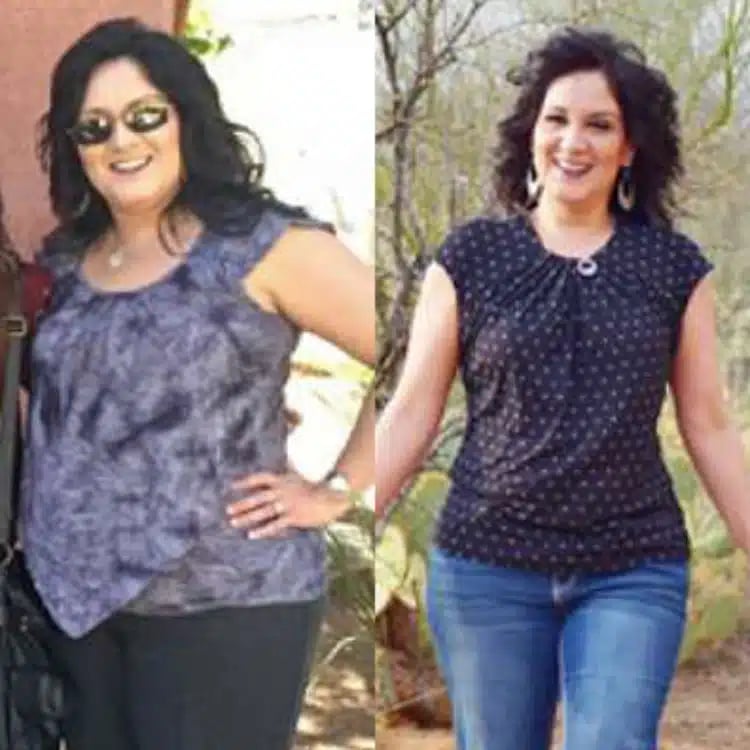
Gina
Lost 44.5 lbs
"I had no trouble adhering to the meals and they really helped catapult my progress! The classes were so beneficial to me because they helped change my thinking about how I viewed health, nutrition, and fitness.
I will always have my relationship with Scottsdale Weight Loss Center. They truly helped me change my life forever." Read More
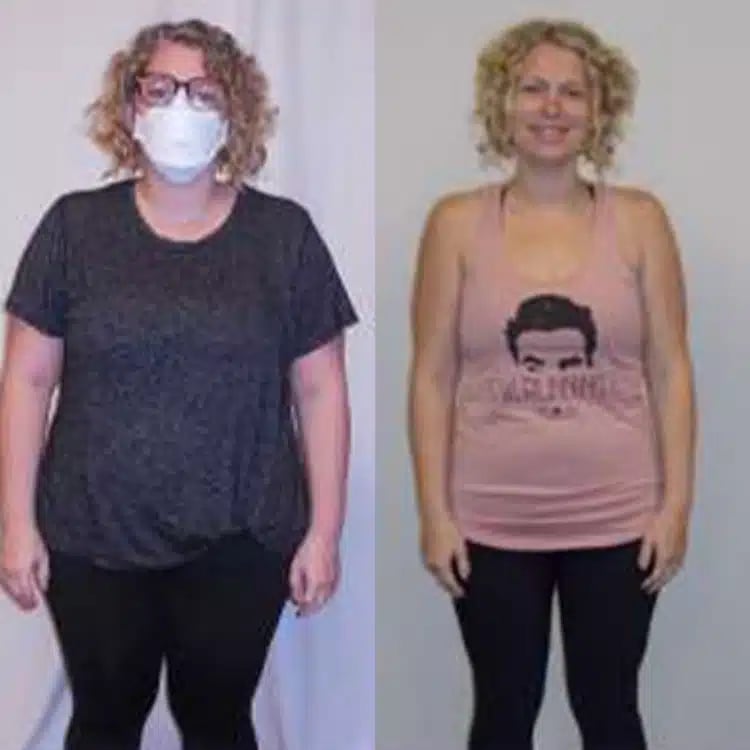
Lauren
Lost 60 lbs
"Dr. Ziltzer and everyone who I have come in contact with at the Scottsdale Weight Loss office have been so encouraging and I look forward to seeing them each week. It is now a year and 2 months later since I started. I am down 60 lbs., which is the average amount a 9-year-old weighs, it is crazy to think I lost a whole person! I feel amazing, I hit my goal weight in November 2021 just before Thanksgiving. Nothing on my body hurts anymore..." Read More
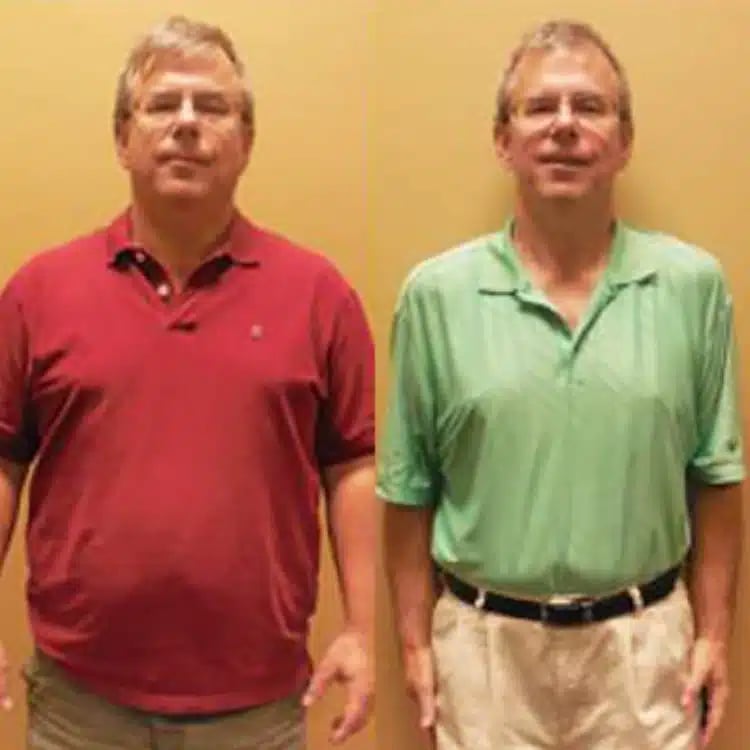
Chuck
Lost 66 lbs
"The best thing I did was call the Scottsdale Weight Loss Center. I have a lot more energy, I'm not hungry, and it feels great.
You can take it from me that this is a program that produces results. The staff is always positive, supportive, and never judgmental.
Your visits always result in positive reinforcement, no matter if you had a good week or a bad week." Read More

Emily
Lost 101 lbs
"Here I am at the lowest I have been since high school weighing in at 155lbs. I have lost 101 lbs, BMI of 39 when I started, to 21.6, and of course at body fat % of 47.1 to 26.5%. I told myself by my 30th birthday I wanted to be confident in the way I look and I owe it all to SWLC. The entire staff is so welcoming and they are rooting for you just as much as you are rooting for yourself...." Read More
Reviews



Meet Our Team

Robert Ziltzer, MD, FACP, FAAP, FOMA
Obesity Medicine Certified Physician

Diana Bone, FNP-C
Specializing in Obesity Medicine

Craig Primack, MD, FACP, FAAP, MFOMA
Obesity Medicine Certified Physician

Kristen Ash, FNP-C, FNP-BC
Nurse Practitioner

Alicia Earley, FNP-C
Family Nurse Practitioner
