
Is brown rice better than white rice? Intuitively, one would think that brown rice is much...
Writing Your Way to Weight Loss Success
By: Scottsdale Weight Loss Center
Published: June 5, 2013
Tirzepatide vs. Semaglutide: Which Weight Loss Medication is Better?
Modern medical weight loss has been changed by the arrival of highly effective prescription...
The Wegovy Pill is Here: Is an Oral GLP-1 Right for You?
Recent clinical developments have introduced the Wegovy pill as a non-invasive option for those...
Menopause and Weight Gain: Why It Happens and What You Can Do About It
You’re Not Imagining It—Menopause Makes Weight Loss Harder Many women notice that once menopause...
Why does fat mass loss not always result in overall weight loss
Fat Mass Loss And Overall, Weight Loss It does—but not always immediately, and not always in a...
Lose the Weight or Lose the Leg
“Lose the weight or lose the leg.” It has been over 20 years since I heard these blunt words from...
Imagine having a friend who is always willing to listen. She sits to hear about your bad days and your good days, listening without murmuring a word as you rattle off what you’ve eaten today. She doesn’t send a judging glance when you admit to breaking from your medical weight loss plan last night.
A friend like this would be saintly indeed, but that is expecting a lot from another human being. Instead of trying to burden a friend with these constant details of your life, the solution you are looking for might be in a journal.
Journaling isn’t for tween-age girls anymore. Journaling is an art form, a way to manage stress and a reliable way to stay accountable to all of your goals—including your weight loss goals.
Starting a Weight Loss Journal
“Listen, dear journal, I will tell you what I will tell no one else.” –Ella Gertrude Clanton Thomas
A journal can be a book, a notepad or even a document on your computer screen. There are even phone apps that simulate journals so that you can log in what you’ve eaten today as easily as you can send a text message to a friend. The way you choose to keep a journal isn’t important. What matters is how often you update it, how honest you are with yourself and how willing you are to let your journal help you stay accountable to your goals.
Here are a few examples of what you might jot down in your journal:
- What you’ve eaten today
- How long your workout was this morning
- How you felt before / after your workout
- Stressful situations
- Happy thoughts
- Meaningful quotes
- Things that made you laugh, cry or smile
- Symptoms like headaches, stomachaches or rashes
- How much water you’ve drank
- Alcohol consumption
Several years ago, researchers at Kaiser Permanente Center for Health Research in Portland, Oregon wanted to see how much of an impact journaling had on weight loss goals. In August of 2007 they published their results in the American Journal of Preventative Medicine. The researchers evaluated more than 1,600 American adults 25 and older over six months. Throughout the course of the study all participants were encouraged to keep a weight loss journal, but the degree to which they kept up with the journal varied.
The participants were instructed on how to eat healthier and were encouraged to exercise regularly so that the researchers could evaluate their weight loss progress. After six months, those who updated their journal almost every day, or at least 6 days a week, lost the most weight on average. The people who wrote in a journal daily actually lost about twice as much weight as those who updated their food logs one day a week or less.
Journaling might be the missing step from your weight loss program. You have the diet plan, you have the workout routine, and you even have the guidance and support of your medical weight loss program, but what is helping you hour by hour as you work to become healthier every day? If you aren’t sure of the answer to this last question, you might want to give journaling a try.
Nick
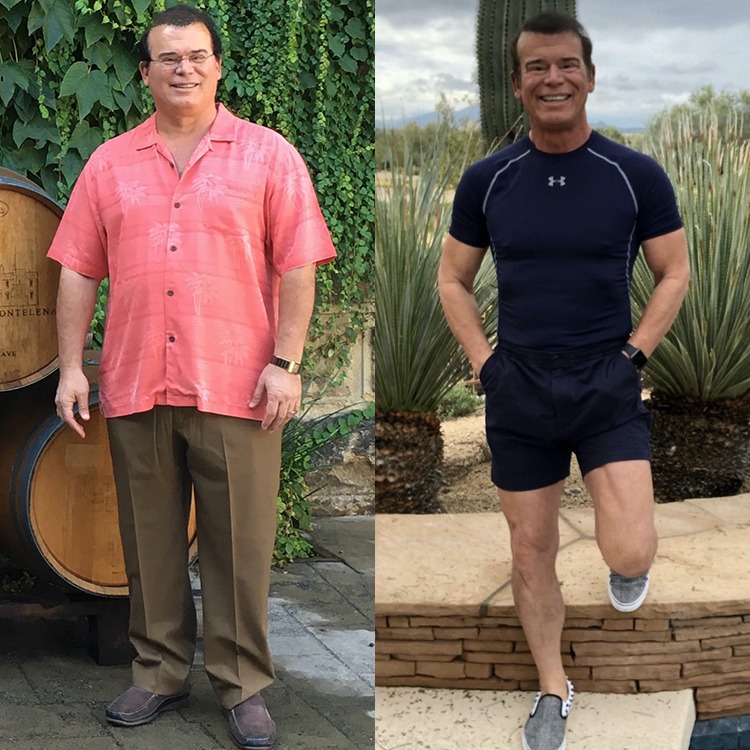
Nick's Story
"I wish I would have come here first. We spend all our time reacting to the next great weight loss tip or program. It might work for a while, but does not last and we end up yo-yoing from one fad to the next – as we gain more weight." Read More
Gina
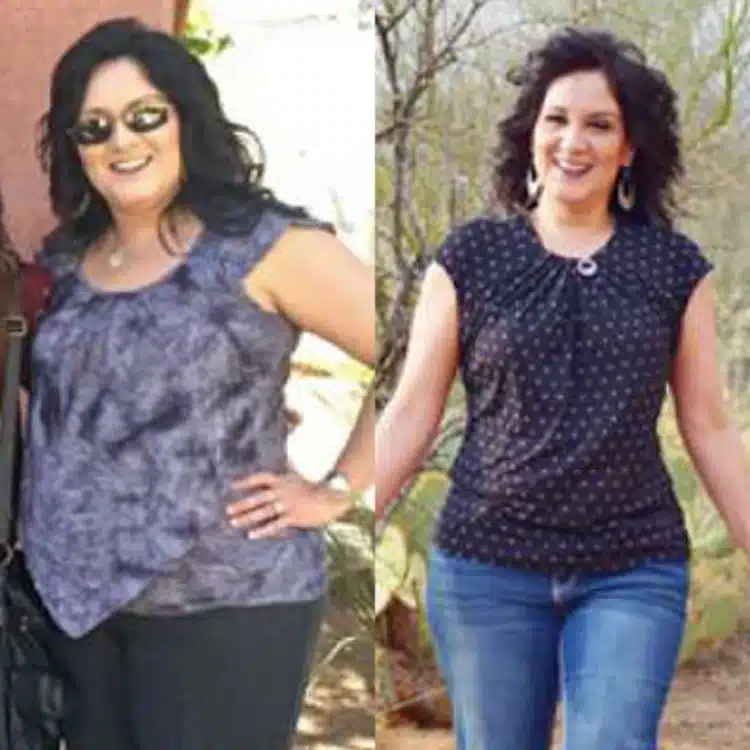
Lost 44.5 lbs
"I had no trouble adhering to the meals and they really helped catapult my progress! The classes were so beneficial to me because they helped change my thinking about how I viewed health, nutrition, and fitness.
I will always have my relationship with Scottsdale Weight Loss Center. They truly helped me change my life forever." Read More
Lauren
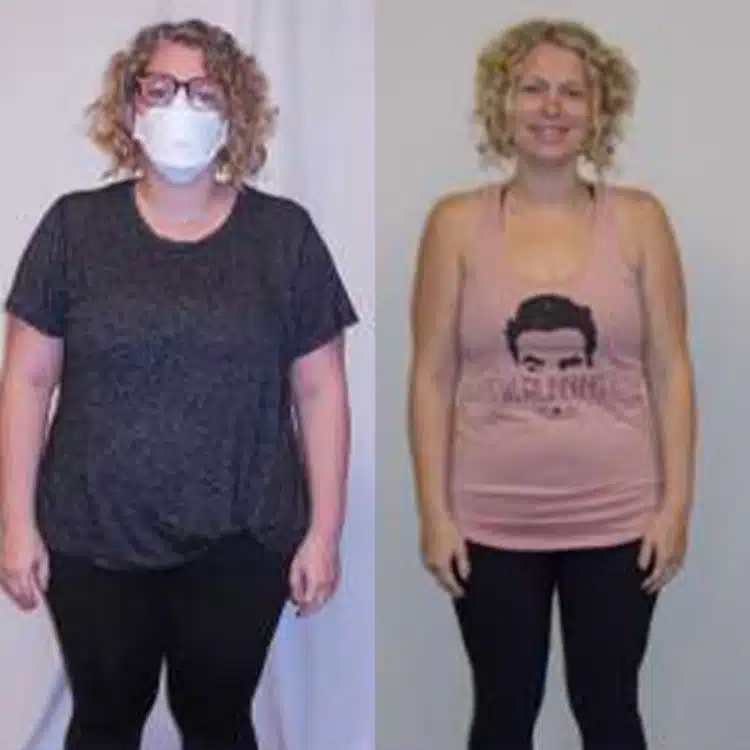
Lost 60 lbs
"Dr. Ziltzer and everyone who I have come in contact with at the Scottsdale Weight Loss office have been so encouraging and I look forward to seeing them each week. It is now a year and 2 months later since I started. I am down 60 lbs., which is the average amount a 9-year-old weighs, it is crazy to think I lost a whole person! I feel amazing, I hit my goal weight in November 2021 just before Thanksgiving. Nothing on my body hurts anymore..." Read More
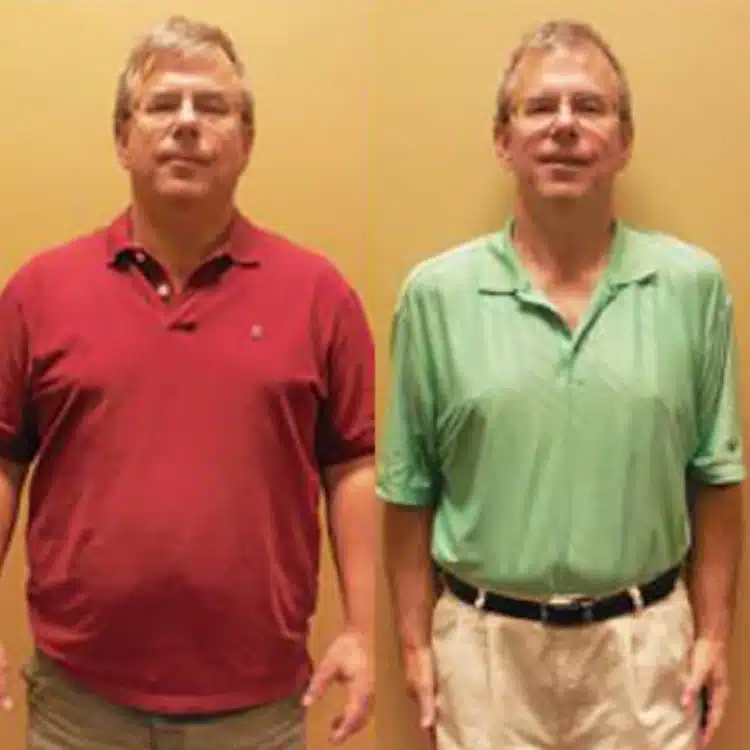
Chuck
Lost 66 lbs
"The best thing I did was call the Scottsdale Weight Loss Center. I have a lot more energy, I'm not hungry, and it feels great.
You can take it from me that this is a program that produces results. The staff is always positive, supportive, and never judgmental.
Your visits always result in positive reinforcement, no matter if you had a good week or a bad week." Read More
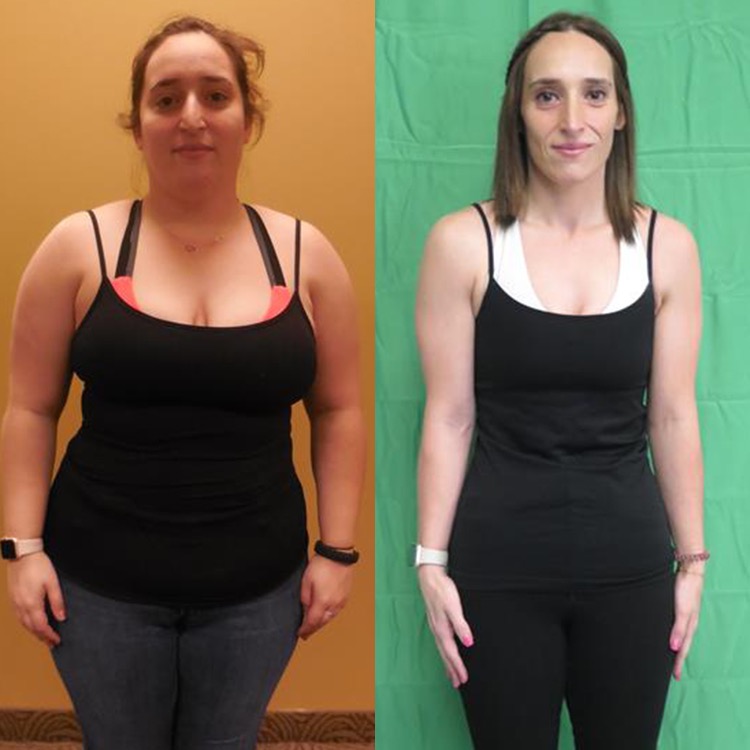
Emily
Lost 101 lbs
"Here I am at the lowest I have been since high school weighing in at 155lbs. I have lost 101 lbs, BMI of 39 when I started, to 21.6, and of course at body fat % of 47.1 to 26.5%. I told myself by my 30th birthday I wanted to be confident in the way I look and I owe it all to SWLC. The entire staff is so welcoming and they are rooting for you just as much as you are rooting for yourself...." Read More
Reviews
Meet Our Team

Robert Ziltzer, MD, FACP, FAAP, FOMA
Obesity Medicine Certified Physician

Diana Bone, FNP-C
Specializing in Obesity Medicine

Craig Primack, MD, FACP, FAAP, MFOMA
Obesity Medicine Certified Physician
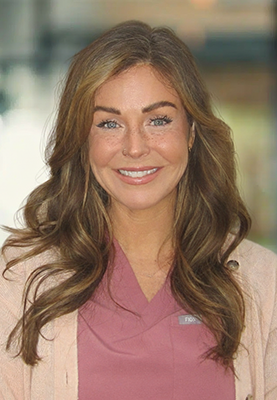
Kristen Ash, FNP-C, FNP-BC
Nurse Practitioner
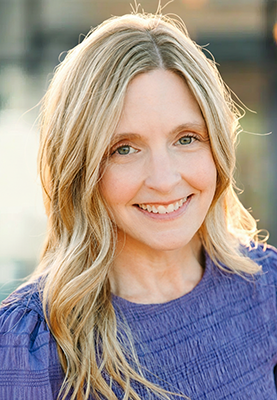
Alicia Earley, FNP-C
Family Nurse Practitioner
