
The weight loss landscape has shifted significantly with the rise of digital health platforms....
Tirzepatide vs. Semaglutide: Which Weight Loss Medication is Better?
By: Dr. Craig Primack
Published: February 23, 2026

Is Brown Rice Healthier Than White Rice?
Is brown rice better than white rice? Intuitively, one would think that brown rice is much...
The Wegovy Pill is Here: Is an Oral GLP-1 Right for You?
Recent clinical developments have introduced the Wegovy pill as a non-invasive option for those...
Menopause and Weight Gain: Why It Happens and What You Can Do About It
You’re Not Imagining It—Menopause Makes Weight Loss Harder Many women notice that once menopause...
Why does fat mass loss not always result in overall weight loss
Fat Mass Loss And Overall, Weight Loss It does—but not always immediately, and not always in a...
Lose the Weight or Lose the Leg
“Lose the weight or lose the leg.” It has been over 20 years since I heard these blunt words from...
Modern medical weight loss has been changed by the arrival of highly effective prescription medications. At Scottsdale Weight Loss Center, serving patients in Scottsdale, Phoenix, and Glendale, we focus on providing evidence-based solutions for long-term health.
Understanding the differences between tirzepatide (Zepbound®) and semaglutide (Wegovy®) is the first step toward determining which path aligns with your biological needs. While many patients recognize them by their diabetes brand names, Mounjaro® and Ozempic®, these medications are also effective tools in obesity treatment when used under medical supervision.
The Main Difference: How They Work
While both medications belong to a class of drugs that mimic natural hormones, their mechanisms differ.
Semaglutide is:
- a GLP-1 receptor agonist and
- It mimics the glucagon-like peptide-1 hormone to regulate appetite and slow digestion.
Tirzepatide is:
- a dual-acting medication and
- It targets both GLP-1 and GIP (glucose-dependent insulinotropic polypeptide) receptors.
Tirzepatide’s dual-action approach may provide a more comprehensive signal to the brain and metabolic system regarding fullness and energy use. Comparing semaglutide vs tirzepatide often comes down to how an individual’s body responds to these specific hormonal signals.
Head-to-Head: Clinical Weight Loss Results
Both medications offer significant benefits for those managing obesity or weight-related health conditions. In the Phase 3b SURMOUNT-5 trial, participants who reached the maximum dose of tirzepatide achieved an average weight loss of 20.2% over 72 weeks. In the same head-to-head trial, those on the maximum semaglutide dose achieved an average loss of 13.7%.
When looking for tirzepatide or semaglutide, it is important to remember that these results are achieved under medical weight loss supervision and lifestyle adjustments.
How We Choose Your Medical Weight Loss Treatment
The final selection depends on your unique biology and health goals. Our weight loss specialists in AZ look for these specific factors:
When Semaglutide May Be Recommended:
- Proven Heart Health: This medication has a strong track record of reducing the risk of major cardiovascular events, such as a heart attack.
- A Targeted Start: For patients who prefer a single-hormone approach, this is an excellent, long-standing option for managing appetite.
- Standard Dosing: Patients often choose this well-known medication for its established safety profile and reliable results.
When Tirzepatide May Be Recommended:
- Higher Weight Loss Goals: Clinical trials showed that the dual-hormone action often leads to a higher percentage of total body weight loss.
- Metabolic Resistance: The added hormone (GIP) helps improve insulin sensitivity and fat metabolism, making it ideal for those with metabolic dysfunction.
- Restarting Progress: If a patient has plateaued on other treatments, this dual-pathway approach can often provide the necessary boost to continue their journey.
Side Effects and Safety Considerations of Weight Loss Medications
All prescription medications carry potential risks. Most patients report mild to moderate gastrointestinal issues, such as nausea or changes in bowel habits, during the initial weeks. These effects typically subside as the body adjusts to the regimen. Because these are not “quick fixes,” they require an evaluation by a licensed provider to monitor your health and manage discomfort.
Common Gastrointestinal Symptoms
Digestive side effects manifest in approximately 50% to 60% of patients, particularly as the body acclimates to the medication or during a dose increase. Reported symptoms include:
- Nausea and Vomiting: Nausea is the most common complaint, occurring in approximately 44% of patients with both medications.
- Diarrhea or Constipation: Changes in bowel habits are common, with constipation reported slightly more often with semaglutide.
- Abdominal Pain and Heartburn: These are often related to slowed stomach motility and may be accompanied by acid reflux.
Strategies for Symptom Management
Our providers at Scottsdale Weight Loss Center focus on a “start-low, go-slow” titration schedule to minimize these effects. To further manage discomfort at home, patients in Scottsdale, Phoenix, and Glendale are encouraged to:
- Eat Smaller, Frequent Meals: Consuming five to six small portions rather than three large ones prevents the stomach from becoming overly full.
- Avoid Trigger Foods: Limiting greasy, spicy, high-fat, or overly sweet foods can significantly reduce nausea.
- Stay Upright After Eating: Gravity helps food pass through the stomach; avoid lying down for at least 30 minutes after a meal.
- Hydrate Wisely: Sip water slowly throughout the day rather than drinking large amounts during meals.
Achieve Your Healthiest Weight with Medical Weight Loss Assistance
Experience the difference of having a board-certified weight loss specialist in your corner to guide every step of your journey. Schedule your consultation now at Scottsdale Weight Loss Center. Our team in Scottsdale, Phoenix, and Glendale will create a personalized path that prioritizes your safety and long-term success.
Medical Disclaimer: Semaglutide and tirzepatide are prescription medications that may be used as part of a medically supervised weight management program. These treatments are not appropriate for everyone and must be prescribed by a licensed healthcare provider after an individual evaluation. Results vary by patient, and lifestyle changes such as nutrition and physical activity remain essential. All medications may have potential risks and side effects. This content is for informational purposes only and does not constitute medical advice.
References:
Aronne, LJ et al. Tirzepatide as Compared with Semaglutide for the Treatment of Obesity –
https://www.nejm.org/doi/full/10.1056/NEJMoa2416394
About the Author
Craig Primack, MD, FACP, MFOMA is the Founder and Managing Member of Scottsdale Weight Loss Center and a leading physician in medical weight loss. Dr. Primack takes a comprehensive, personalized approach—getting to know each patient’s lifestyle, goals, and challenges in order to create a clinically proven program that supports safe, significant weight loss and may help reduce the severity of conditions such as diabetes and hypertension. He is board-certified in obesity medicine and internal medicine, has been named a Top Doctor by Phoenix Magazine since 2008, and previously served as president of the Obesity Medicine Association, a national organization of more than 3,600 physicians dedicated to treating obesity and related diseases.

Nick
Nick's Story
"I wish I would have come here first. We spend all our time reacting to the next great weight loss tip or program. It might work for a while, but does not last and we end up yo-yoing from one fad to the next – as we gain more weight." Read More

Gina
Lost 44.5 lbs
"I had no trouble adhering to the meals and they really helped catapult my progress! The classes were so beneficial to me because they helped change my thinking about how I viewed health, nutrition, and fitness.
I will always have my relationship with Scottsdale Weight Loss Center. They truly helped me change my life forever." Read More
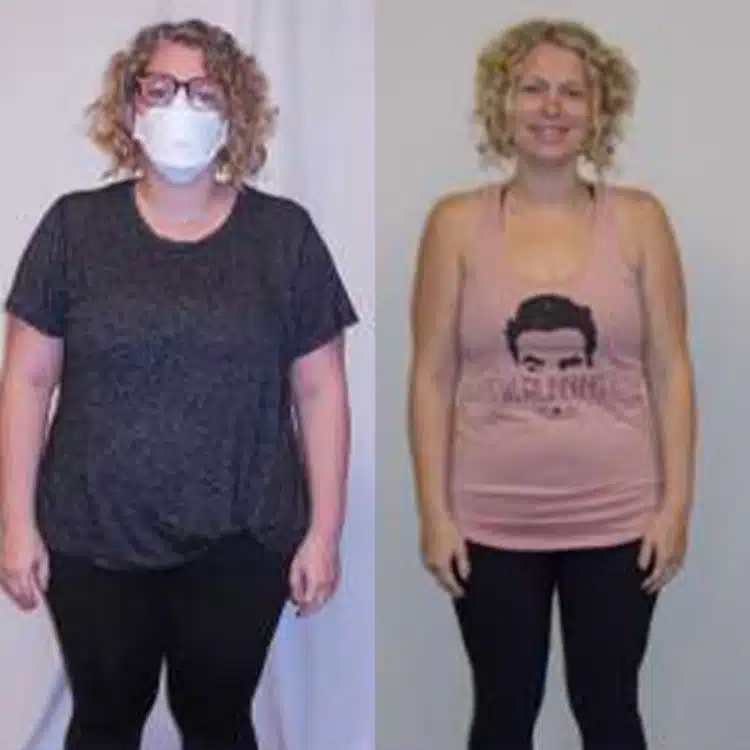
Lauren
Lost 60 lbs
"Dr. Ziltzer and everyone who I have come in contact with at the Scottsdale Weight Loss office have been so encouraging and I look forward to seeing them each week. It is now a year and 2 months later since I started. I am down 60 lbs., which is the average amount a 9-year-old weighs, it is crazy to think I lost a whole person! I feel amazing, I hit my goal weight in November 2021 just before Thanksgiving. Nothing on my body hurts anymore..." Read More
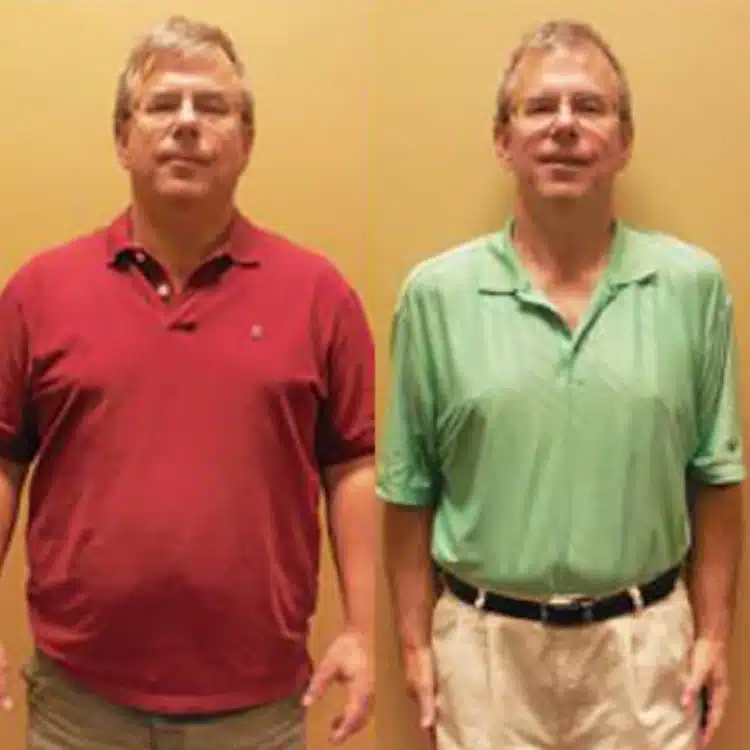
Chuck
Lost 66 lbs
"The best thing I did was call the Scottsdale Weight Loss Center. I have a lot more energy, I'm not hungry, and it feels great.
You can take it from me that this is a program that produces results. The staff is always positive, supportive, and never judgmental.
Your visits always result in positive reinforcement, no matter if you had a good week or a bad week." Read More
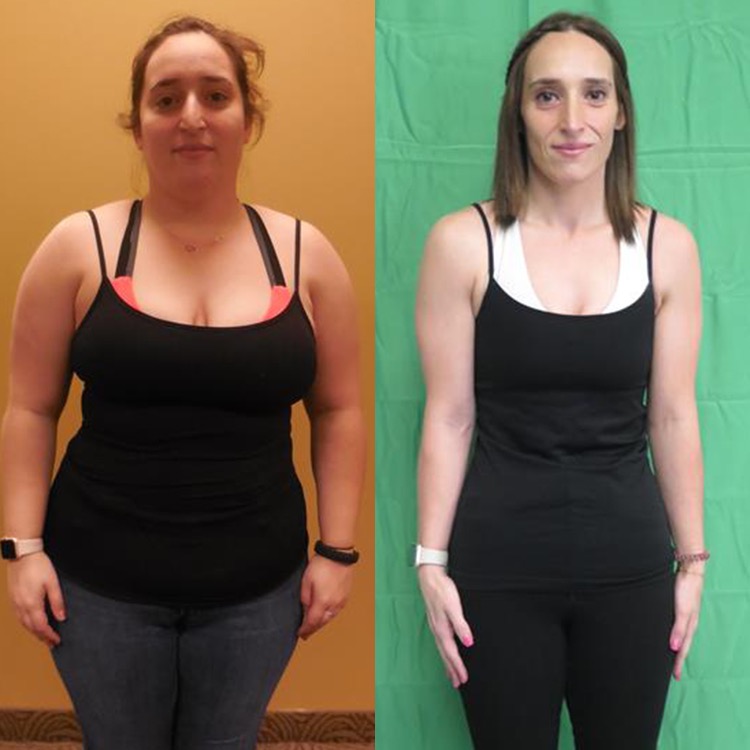
Emily
Lost 101 lbs
"Here I am at the lowest I have been since high school weighing in at 155lbs. I have lost 101 lbs, BMI of 39 when I started, to 21.6, and of course at body fat % of 47.1 to 26.5%. I told myself by my 30th birthday I wanted to be confident in the way I look and I owe it all to SWLC. The entire staff is so welcoming and they are rooting for you just as much as you are rooting for yourself...." Read More
Reviews
Meet Our Team

Robert Ziltzer, MD, FACP, FAAP, FOMA
Obesity Medicine Certified Physician

Diana Bone, FNP-C
Specializing in Obesity Medicine

Craig Primack, MD, FACP, FAAP, MFOMA
Obesity Medicine Certified Physician

Kristen Ash, FNP-C, FNP-BC
Nurse Practitioner

Alicia Earley, FNP-C
Family Nurse Practitioner
