
Is brown rice better than white rice? Intuitively, one would think that brown rice is much...
The Treachery of Late Night Snacking
By: Scottsdale Weight Loss Center
Published: May 21, 2015

Tirzepatide vs. Semaglutide: Which Weight Loss Medication is Better?
Modern medical weight loss has been changed by the arrival of highly effective prescription...
The Wegovy Pill is Here: Is an Oral GLP-1 Right for You?
Recent clinical developments have introduced the Wegovy pill as a non-invasive option for those...
Menopause and Weight Gain: Why It Happens and What You Can Do About It
You’re Not Imagining It—Menopause Makes Weight Loss Harder Many women notice that once menopause...
Why does fat mass loss not always result in overall weight loss
Fat Mass Loss And Overall, Weight Loss It does—but not always immediately, and not always in a...
Lose the Weight or Lose the Leg
“Lose the weight or lose the leg.” It has been over 20 years since I heard these blunt words from...
As part of your medical weight loss plan, plotting out when you will eat may be just as important as planning what you will eat. Eating at irregular times, such as late at night when your body wants to sleep, may cause you to gain more weight.
This is a problem for a lot of people. The late night snacking trend is not limited to those of us in the United States, either. Worldwide, the consumption of junk food trumps nutritious eating late at night.
Break the Junk Food Habit
Studies show that eating habits are actually pretty similar world-wide. A lot of adults wake up with good intentions every morning and have a healthy breakfast to start the day. However, as the day goes on it becomes more and more tempting to indulge in poor dietary choices. As you become tired or stressed with work it is harder to make healthy food choices, especially when healthy eating requires more effort.
One informal study collecting user input about calories consumed found that adults worldwide decrease the nutritious quality of their food by almost two percent during the course of an average day. Participants input data about their dietary choices via an iPhone app and were not obligated in any way to continue their participation, so it is likely that there were other participants who chose not to log in their after-dark calorie-busting snacks, making this discrepancy even larger. While the study’s validity can be questioned, it does indicate a trend in dietary habits that is less than healthy.
Say No to Fourth Meal
In recent years, the midnight snack has become glorified. Fast food companies have opened their drive-thru windows for 24 hours, inviting tired guests to leave the comfort of their homes and have a bit more to eat before calling it a night. But this late night calorie binge could be severely affecting your waistline.
Past studies have indicated that eating late at night is detrimental to your weight loss goals. One study at Northwestern University found that eating at irregular times directly influences weight gain. These researchers found that when people eat snacks late at night, when your body should be asleep, you are disturbing your body’s ability to efficiently regulate energy. This could cause you to feel drowsier in the morning, have difficulty falling asleep at night and make it more likely that you will eat more calories the next day in an effort to wake yourself up.
If you have trouble with late night snacking, then it may be a good idea to enforce a few time regulations on your eating habits. Have a nice dinner at least three hours before bed and then don’t eat again until the next day. Set a time that you will have dinner every night and stick to it. If you eat at 7:00 p.m., then make a rule that you don’t eat past eight. By enforcing limitations on when you will eat, you may help yourself to make better choices concerning what you are eating.
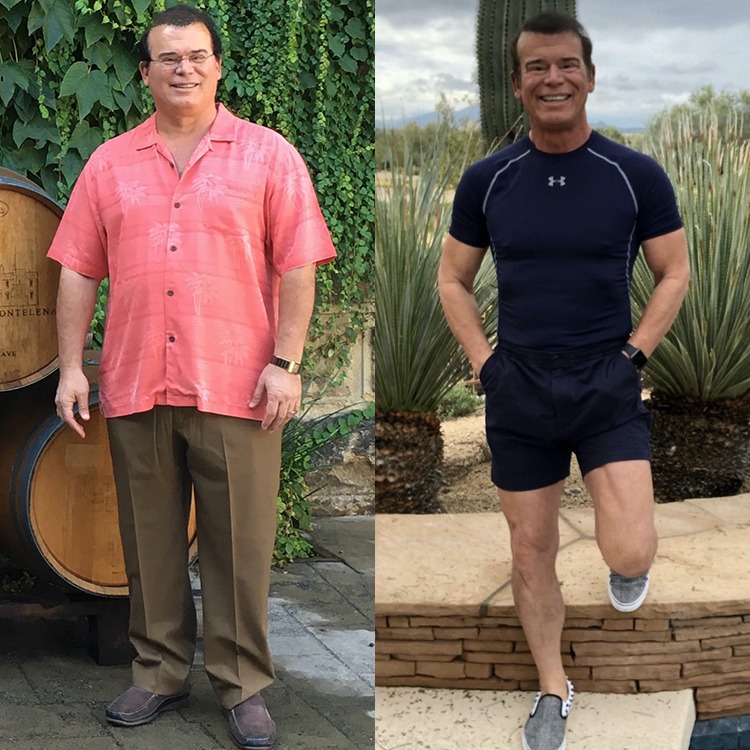
Nick
Nick's Story
"I wish I would have come here first. We spend all our time reacting to the next great weight loss tip or program. It might work for a while, but does not last and we end up yo-yoing from one fad to the next – as we gain more weight." Read More

Gina
Lost 44.5 lbs
"I had no trouble adhering to the meals and they really helped catapult my progress! The classes were so beneficial to me because they helped change my thinking about how I viewed health, nutrition, and fitness.
I will always have my relationship with Scottsdale Weight Loss Center. They truly helped me change my life forever." Read More

Lauren
Lost 60 lbs
"Dr. Ziltzer and everyone who I have come in contact with at the Scottsdale Weight Loss office have been so encouraging and I look forward to seeing them each week. It is now a year and 2 months later since I started. I am down 60 lbs., which is the average amount a 9-year-old weighs, it is crazy to think I lost a whole person! I feel amazing, I hit my goal weight in November 2021 just before Thanksgiving. Nothing on my body hurts anymore..." Read More
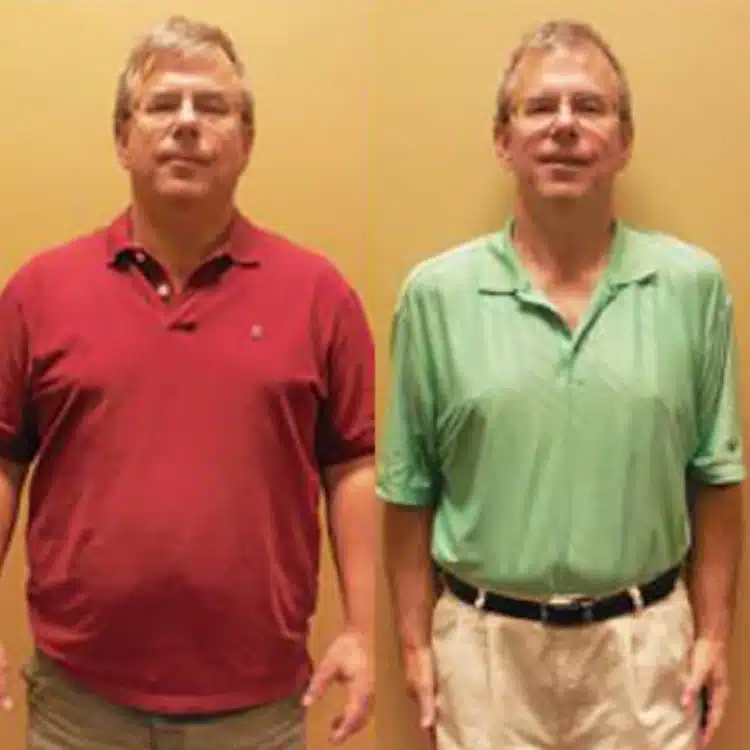
Chuck
Lost 66 lbs
"The best thing I did was call the Scottsdale Weight Loss Center. I have a lot more energy, I'm not hungry, and it feels great.
You can take it from me that this is a program that produces results. The staff is always positive, supportive, and never judgmental.
Your visits always result in positive reinforcement, no matter if you had a good week or a bad week." Read More
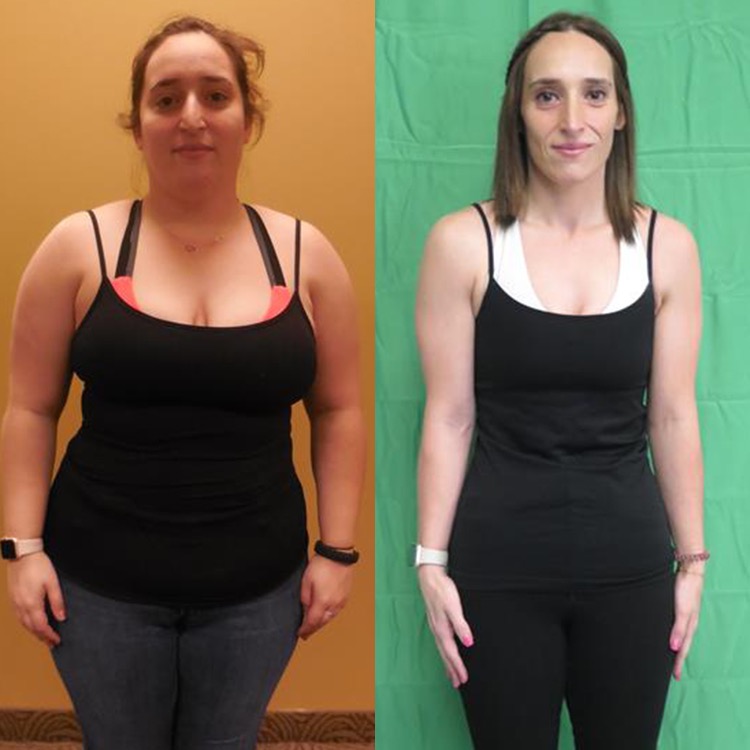
Emily
Lost 101 lbs
"Here I am at the lowest I have been since high school weighing in at 155lbs. I have lost 101 lbs, BMI of 39 when I started, to 21.6, and of course at body fat % of 47.1 to 26.5%. I told myself by my 30th birthday I wanted to be confident in the way I look and I owe it all to SWLC. The entire staff is so welcoming and they are rooting for you just as much as you are rooting for yourself...." Read More
Reviews
Meet Our Team

Robert Ziltzer, MD, FACP, FAAP, FOMA
Obesity Medicine Certified Physician

Diana Bone, FNP-C
Specializing in Obesity Medicine

Craig Primack, MD, FACP, FAAP, MFOMA
Obesity Medicine Certified Physician

Kristen Ash, FNP-C, FNP-BC
Nurse Practitioner
Alicia Earley, FNP-C
Family Nurse Practitioner
