
Is brown rice better than white rice? Intuitively, one would think that brown rice is much...
Feel full on fewer calories
By: Scottsdale Weight Loss Center
Published: March 22, 2010
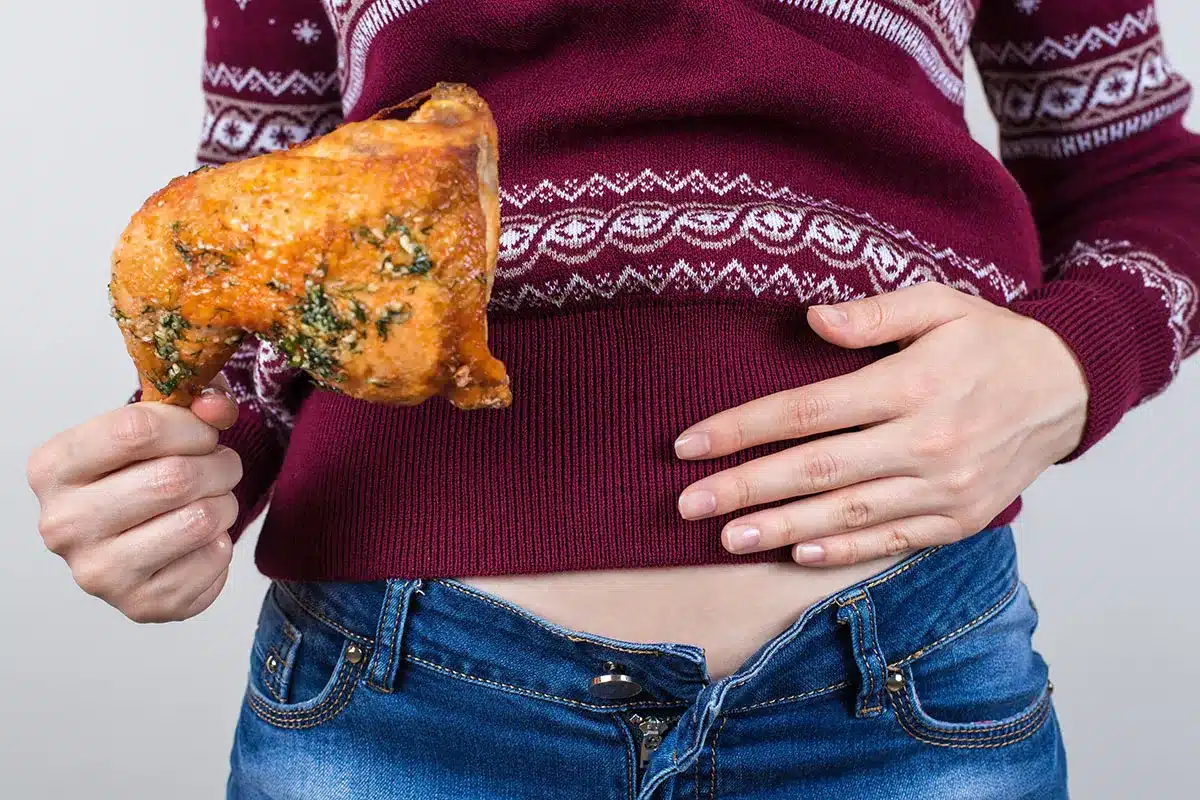
Tirzepatide vs. Semaglutide: Which Weight Loss Medication is Better?
Modern medical weight loss has been changed by the arrival of highly effective prescription...
The Wegovy Pill is Here: Is an Oral GLP-1 Right for You?
Recent clinical developments have introduced the Wegovy pill as a non-invasive option for those...
Menopause and Weight Gain: Why It Happens and What You Can Do About It
You’re Not Imagining It—Menopause Makes Weight Loss Harder Many women notice that once menopause...
Why does fat mass loss not always result in overall weight loss
Fat Mass Loss And Overall, Weight Loss It does—but not always immediately, and not always in a...
Lose the Weight or Lose the Leg
“Lose the weight or lose the leg.” It has been over 20 years since I heard these blunt words from...
The idea of being able to eat more and lose weight may sound like an impossible diet gimmick, but there are certain foods that can make you feel more full while providing fewer calories. Learning about the energy density of food really can allow you to lose weight while enjoying a higher volume of food.
What is energy density?
All foods contain a certain number of calories within a given volume. Foods that contain more calories per bite are said to be “high in energy density.” On the other hand, foods that contain fewer calories in the same sized bite are said to be “low in energy density.” For example, one serving of vegetables will typically contain fewer calories than the same serving size of candy. Although you’re eating the exact same amount of each food, you’re taking in fewer calories from the vegetables. The vegetables are low in energy density and the candy is high in energy density.
What does this have to do with weight loss? If you focus on eating low energy density foods, you’ll be able to eat more food and feel more satisfied, while taking in fewer calories than if you were eating high energy density foods. As a result, you’ll be able to lose weight without constantly feeling like you’re hungry.
What foods have low energy density?
As a general rule, foods that are have high water and fiber content and low fat content are going to have a lower energy density than foods that are high in fat and have very little fiber and water. Vegetables, fruits, whole-grain carbohydrates, and lean protein sources generally have a low energy density. On the other hand, most candies, desserts, and processed or packaged foods tend to have a high energy density.
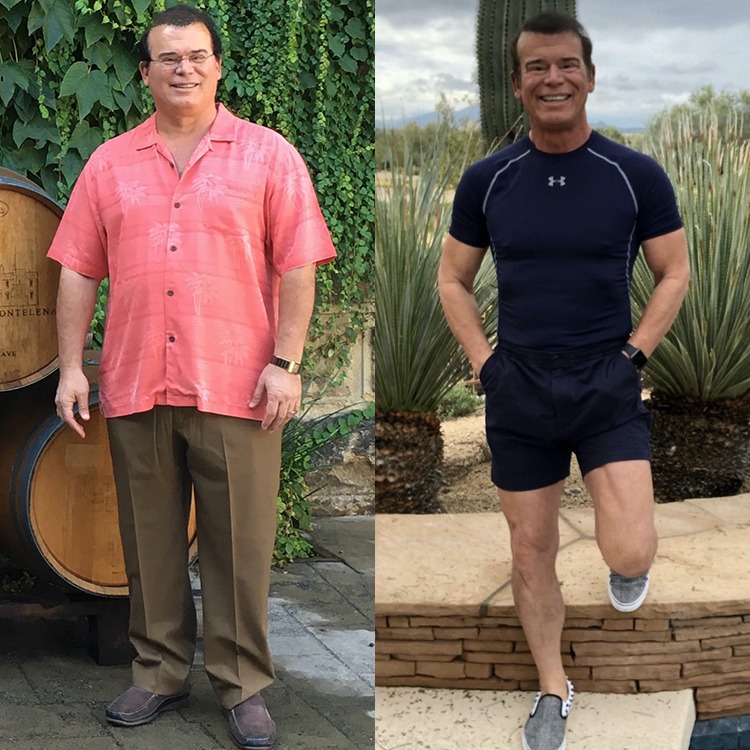
Nick
Nick's Story
"I wish I would have come here first. We spend all our time reacting to the next great weight loss tip or program. It might work for a while, but does not last and we end up yo-yoing from one fad to the next – as we gain more weight." Read More
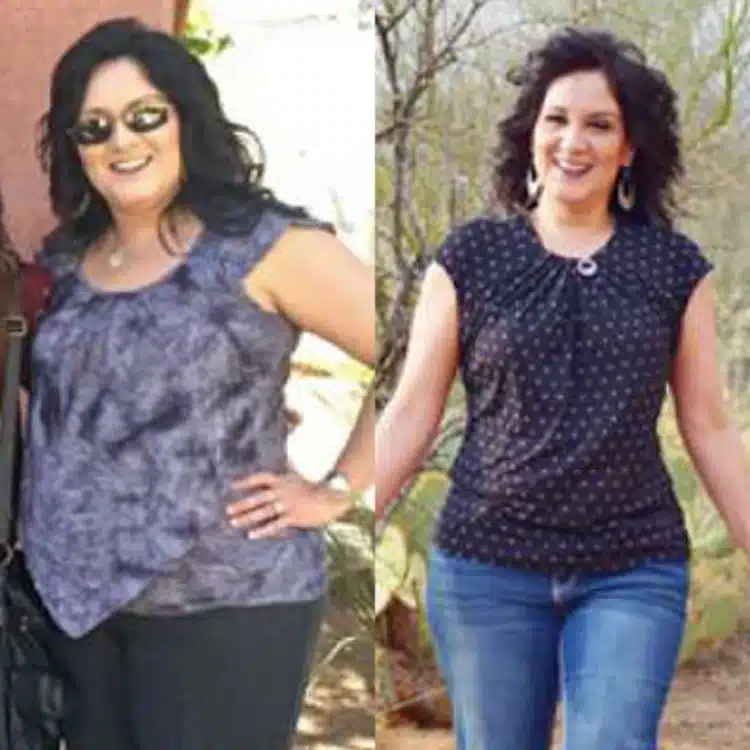
Gina
Lost 44.5 lbs
"I had no trouble adhering to the meals and they really helped catapult my progress! The classes were so beneficial to me because they helped change my thinking about how I viewed health, nutrition, and fitness.
I will always have my relationship with Scottsdale Weight Loss Center. They truly helped me change my life forever." Read More
Lauren
Lost 60 lbs
"Dr. Ziltzer and everyone who I have come in contact with at the Scottsdale Weight Loss office have been so encouraging and I look forward to seeing them each week. It is now a year and 2 months later since I started. I am down 60 lbs., which is the average amount a 9-year-old weighs, it is crazy to think I lost a whole person! I feel amazing, I hit my goal weight in November 2021 just before Thanksgiving. Nothing on my body hurts anymore..." Read More
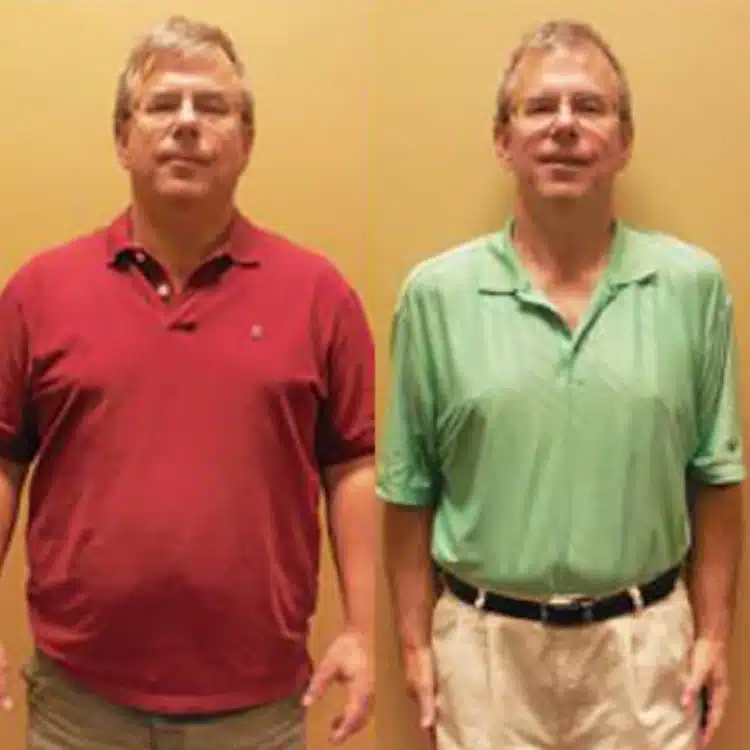
Chuck
Lost 66 lbs
"The best thing I did was call the Scottsdale Weight Loss Center. I have a lot more energy, I'm not hungry, and it feels great.
You can take it from me that this is a program that produces results. The staff is always positive, supportive, and never judgmental.
Your visits always result in positive reinforcement, no matter if you had a good week or a bad week." Read More
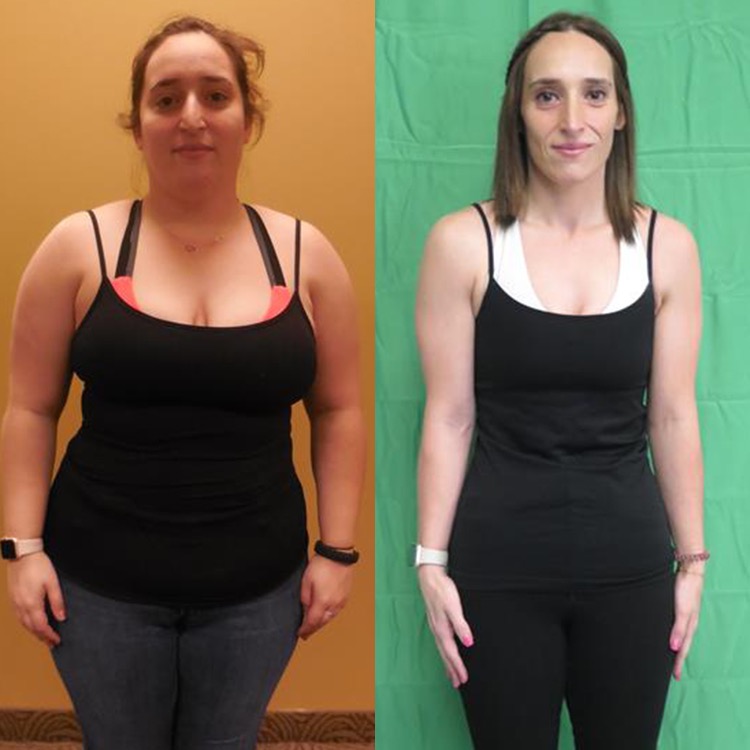
Emily
Lost 101 lbs
"Here I am at the lowest I have been since high school weighing in at 155lbs. I have lost 101 lbs, BMI of 39 when I started, to 21.6, and of course at body fat % of 47.1 to 26.5%. I told myself by my 30th birthday I wanted to be confident in the way I look and I owe it all to SWLC. The entire staff is so welcoming and they are rooting for you just as much as you are rooting for yourself...." Read More
Reviews
Meet Our Team

Robert Ziltzer, MD, FACP, FAAP, FOMA
Obesity Medicine Certified Physician

Diana Bone, FNP-C
Specializing in Obesity Medicine

Craig Primack, MD, FACP, FAAP, MFOMA
Obesity Medicine Certified Physician

Kristen Ash, FNP-C, FNP-BC
Nurse Practitioner
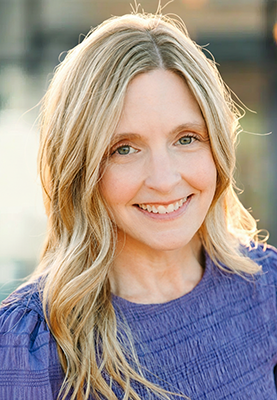
Alicia Earley, FNP-C
Family Nurse Practitioner
