
When most people try to lose weight, they watch one number: the scale. But not all weight loss is...
Rock Climbing: Lose Weight on the Wall
By: Dr. Robert Ziltzer
Published: April 28, 2026
Please Don’t Drink Your Calories if You’re Focused on Weight Loss
Liquid calories are fluids consumed as part of your daily diet that often go unnoticed and...
Weight Watchers vs. Medical Weight Loss Programs in Scottsdale: Comparing the Results
Many residents in Scottsdale, Phoenix, and Glendale struggle with weight loss plateaus despite...
Arizona Medical Weight Loss Programs vs Online Programs: Which One Provides the Best Results?
The weight loss landscape has shifted significantly with the rise of digital health platforms....
Is Brown Rice Healthier Than White Rice?
Is brown rice better than white rice? Intuitively, one would think that brown rice is much...
Tirzepatide vs. Semaglutide: Which Weight Loss Medication is Better?
Modern medical weight loss has been changed by the arrival of highly effective prescription...
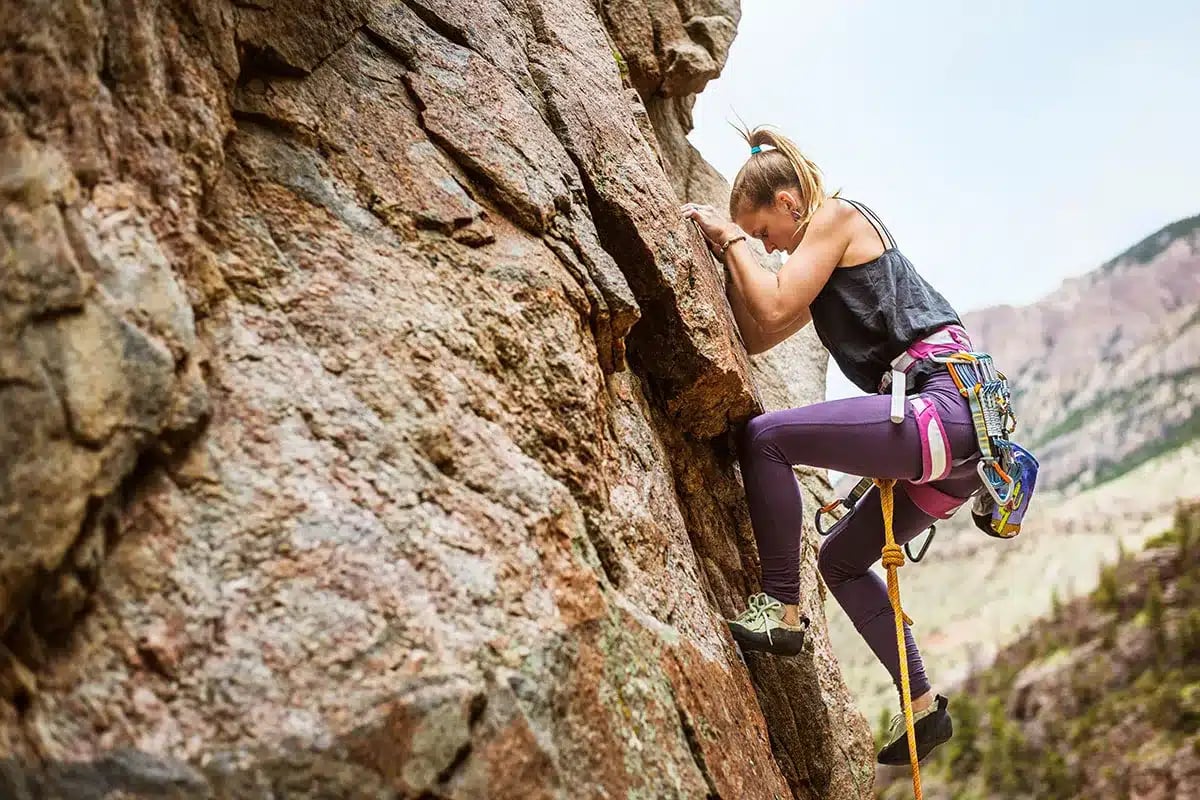
If your weight loss efforts have hit a wall, why not climb it? Rock climbing is becoming an increasingly popular activity, and for good reason: rock climbing is a challenge for both the body and the mind, an invigorating workout that can boost your metabolism, strengthen your muscles, and, of course, be a lot of fun.
Studies have proven the effectiveness of climbing as a full-body workout. Reaching and gripping those handholds will strengthen your fingers, arms, shoulders, core, back, and calves, while it can also make you more agile and flexible. But climbing is also a very mental activity—planning how you’ll tackle a difficult route is a great exercise in problem-solving and focus.
How High-Intensity Activity Fits Into a Medical Weight Loss Plan
Your medical weight loss program is the perfect time to try new things, especially when it comes to exercise. Though you may think that rock climbing is beyond your reach, you may find that the weight you lose quickly makes you capable of handling it, and beginners can find plenty of guidance and reassurance from dedicated instructors at Arizona’s indoor climbing gyms.
At our medical weight loss practice, the initial assessment for our support classes is completed before the pre-physical and consultation with the clinician. Once you have your first meeting with the clinician, you can sign up for the weight loss classes using the QR code on our schedules to support your medical weight loss program in Arizona.
The Science of Vertical Fitness: Dr. Ziltzer’s Perspective
From the medical standpoint of Dr. Robert Ziltzer, Board-Certified Obesity Medicine Specialist, climbing represents more than just calorie burning; it is an exercise in functional resistance. By moving vertically, the body is forced to recruit multiple muscle groups simultaneously, leading to physiological adaptations that support a higher metabolic rate and improved physical endurance.
Full-Body Composition: Building Lean Muscle While Burning Fat
Climbing makes you more agile and flexible. Beginners can find plenty of guidance and reassurance from dedicated instructors at indoor climbing gyms throughout Arizona. Strengthening these muscle groups is essential for improving your overall body composition.
The Afterburn Effect: Elevating Your Basal Metabolic Rate (BMR)
This strenuous activity is an excellent form of exercise for fat loss that participants can maintain. By challenging your body in new ways, you help elevate your metabolism, making rock climbing a great way to keep the weight off that you obtained with medical weight loss.
From Indoor Gyms to Camelback: Climbing Opportunities in Arizona
If your doctor has given you the go-ahead, start by finding a facility that offers beginner training. You can learn the fundamentals in a 30-minute session, where you will learn how to tie safety knots and handle ropes. It is best to wear loose-fitting clothing that won’t get in the way. If you find rock climbing becoming a hobby, it may be wise to invest in climbing shoes with sticky soles for extra grip.
Getting Started Safely
It’s no secret that rock climbing can be a challenge. As with any other strenuous activity, you should speak with your weight loss doctor before attempting rock climbing to make sure it will be a safe and healthy activity for you. Beginners can find plenty of guidance and reassurance from dedicated instructors at indoor climbing gyms that are now prevalent nationwide.
If your doctor has given you the go-ahead, start by finding a facility that offers beginner training. At most indoor gyms, you can learn the fundamentals in a session that will last about 30 minutes, while beginning climbers are also typically supervised by an instructor until receiving certification. You’ll start by learning how to tie safety knots and handle the ropes, then move on to easy climbs on an indoor wall.
Fueling the Climb: Nutrition, Strategy, and Gear
In obesity medicine, we know that high-intensity movement requires specific nutritional support. To perform your best on the wall, focus on lean proteins and slow-digesting carbohydrates before your session. Avoid heavy meals or sugary “energy” drinks that lead to a mid-climb crash. Proper hydration is also paramount, so stick to water or electrolyte-infused beverages without added sugars.
It’s best to wear loose-fitting clothing that won’t get in the way when you reach for a hold. Your first time, you’ll likely want to wear athletic shoes, but if you find rock climbing becoming a hobby, it may be wise to invest in a pair of climbing shoes, which have sticky soles for extra grip and are designed to fit your foot snugly.
Patience is important. Climbers tend to plan each move carefully. Instead of rushing through the climb, engage your mind as much as your body by thinking about the most effective route. If you find yourself a bit unnerved by your distance from the ground below, it helps to remember that there’s a sturdy rope holding you up, or to have a friend or instructor along for encouragement.
Take Action: Try Something New Today
Rock climbing can be a great way to keep off the weight you lose with medical weight loss, but it can also be an invigorating hobby for your body and your mind. Contact Scottsdale Weight Loss Center today to begin your assessment. Have some fun and try something new today.
About the Author
Robert Ziltzer, MD is a medical weight loss specialist at Scottsdale Weight Loss Center who provides patients with a medically supervised, evidence-based approach to achieving safe and lasting weight loss. He is board-certified in Obesity Medicine and is recognized among Arizona’s top physicians, having been consistently named a Top Doctor by both Phoenix Magazine and Scottsdale 101 Magazine. Dr. Ziltzer takes a personalized, patient-centered approach to care, working closely with each individual to understand their health profile, lifestyle, and goals in order to develop a customized program that supports long-term success and improved overall wellness.

Nick
Nick's Story
"I wish I would have come here first. We spend all our time reacting to the next great weight loss tip or program. It might work for a while, but does not last and we end up yo-yoing from one fad to the next – as we gain more weight." Read More
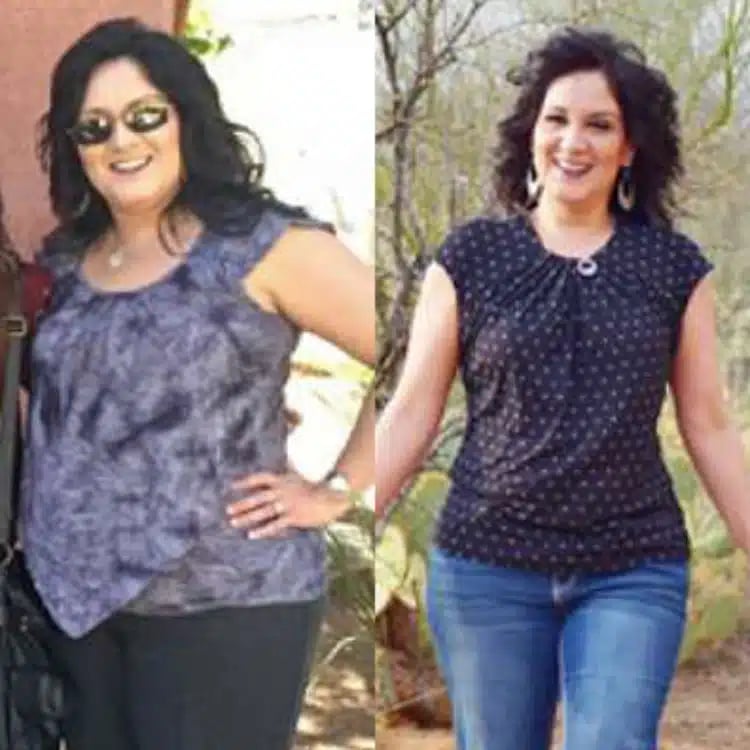
Gina
Lost 44.5 lbs
"I had no trouble adhering to the meals and they really helped catapult my progress! The classes were so beneficial to me because they helped change my thinking about how I viewed health, nutrition, and fitness.
I will always have my relationship with Scottsdale Weight Loss Center. They truly helped me change my life forever." Read More
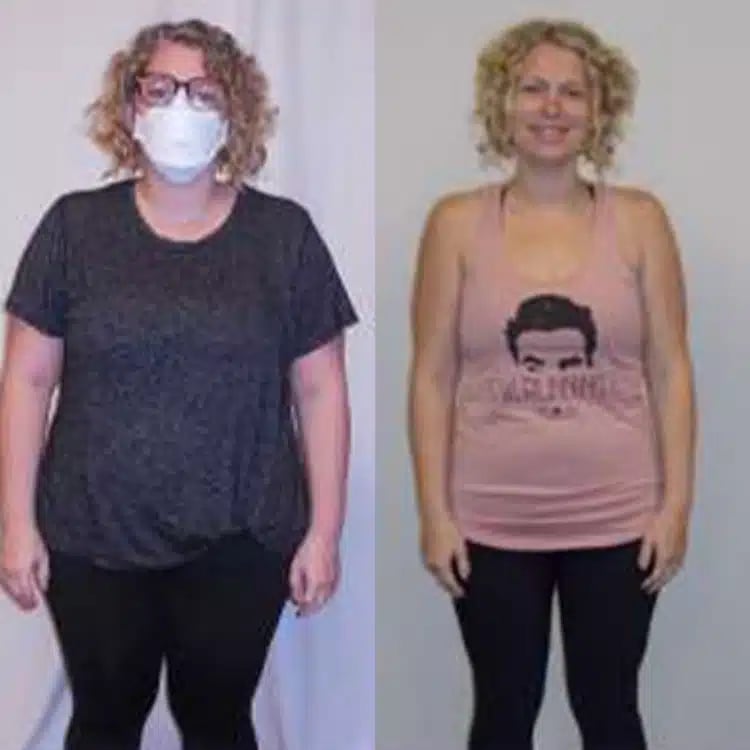
Lauren
Lost 60 lbs
"Dr. Ziltzer and everyone who I have come in contact with at the Scottsdale Weight Loss office have been so encouraging and I look forward to seeing them each week. It is now a year and 2 months later since I started. I am down 60 lbs., which is the average amount a 9-year-old weighs, it is crazy to think I lost a whole person! I feel amazing, I hit my goal weight in November 2021 just before Thanksgiving. Nothing on my body hurts anymore..." Read More
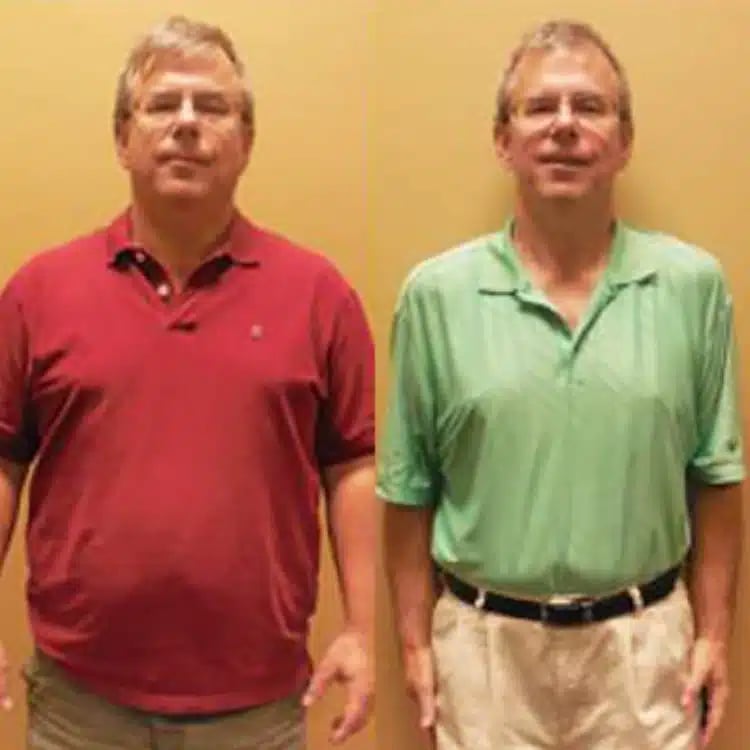
Chuck
Lost 66 lbs
"The best thing I did was call the Scottsdale Weight Loss Center. I have a lot more energy, I'm not hungry, and it feels great.
You can take it from me that this is a program that produces results. The staff is always positive, supportive, and never judgmental.
Your visits always result in positive reinforcement, no matter if you had a good week or a bad week." Read More

Emily
Lost 101 lbs
"Here I am at the lowest I have been since high school weighing in at 155lbs. I have lost 101 lbs, BMI of 39 when I started, to 21.6, and of course at body fat % of 47.1 to 26.5%. I told myself by my 30th birthday I wanted to be confident in the way I look and I owe it all to SWLC. The entire staff is so welcoming and they are rooting for you just as much as you are rooting for yourself...." Read More
Reviews



Meet Our Team
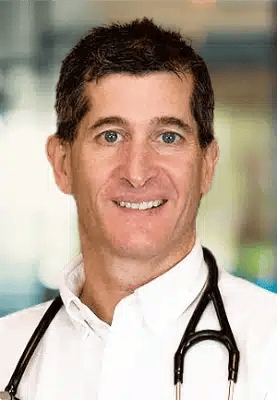
Robert Ziltzer, MD, FACP, FAAP, FOMA
Obesity Medicine Certified Physician

Diana Bone, FNP-C
Specializing in Obesity Medicine

Craig Primack, MD, FACP, FAAP, MFOMA
Obesity Medicine Certified Physician

Kristen Ash, FNP-C, FNP-BC
Nurse Practitioner

Alicia Earley, FNP-C
Family Nurse Practitioner
