
When most people try to lose weight, they watch one number: the scale. But not all weight loss is...
Please Don’t Drink Your Calories if You’re Focused on Weight Loss
By: Dr. Robert Ziltzer
Published: April 28, 2026
Rock Climbing: Lose Weight on the Wall
If your weight loss efforts have hit a wall, why not climb it? Rock climbing is becoming an...
Weight Watchers vs. Medical Weight Loss Programs in Scottsdale: Comparing the Results
Many residents in Scottsdale, Phoenix, and Glendale struggle with weight loss plateaus despite...
Arizona Medical Weight Loss Programs vs Online Programs: Which One Provides the Best Results?
The weight loss landscape has shifted significantly with the rise of digital health platforms....
Is Brown Rice Healthier Than White Rice?
Is brown rice better than white rice? Intuitively, one would think that brown rice is much...
Tirzepatide vs. Semaglutide: Which Weight Loss Medication is Better?
Modern medical weight loss has been changed by the arrival of highly effective prescription...
Liquid calories are fluids consumed as part of your daily diet that often go unnoticed and unaccounted for. At Scottsdale Weight Loss Center, our team of medical weight loss doctors and providers helps patients in Scottsdale, Phoenix, Glendale and surrounding areas identify these hidden obstacles. Whether it is a morning juice or an evening cocktail, these beverages can stall your weight loss progress even if your solid food intake is disciplined.
Dr. Ziltzer’s Top “Hidden” Caloric Traps
Many residents consume hundreds of calories daily through beverages that offer little to no nutritional value. Consider these comparisons:
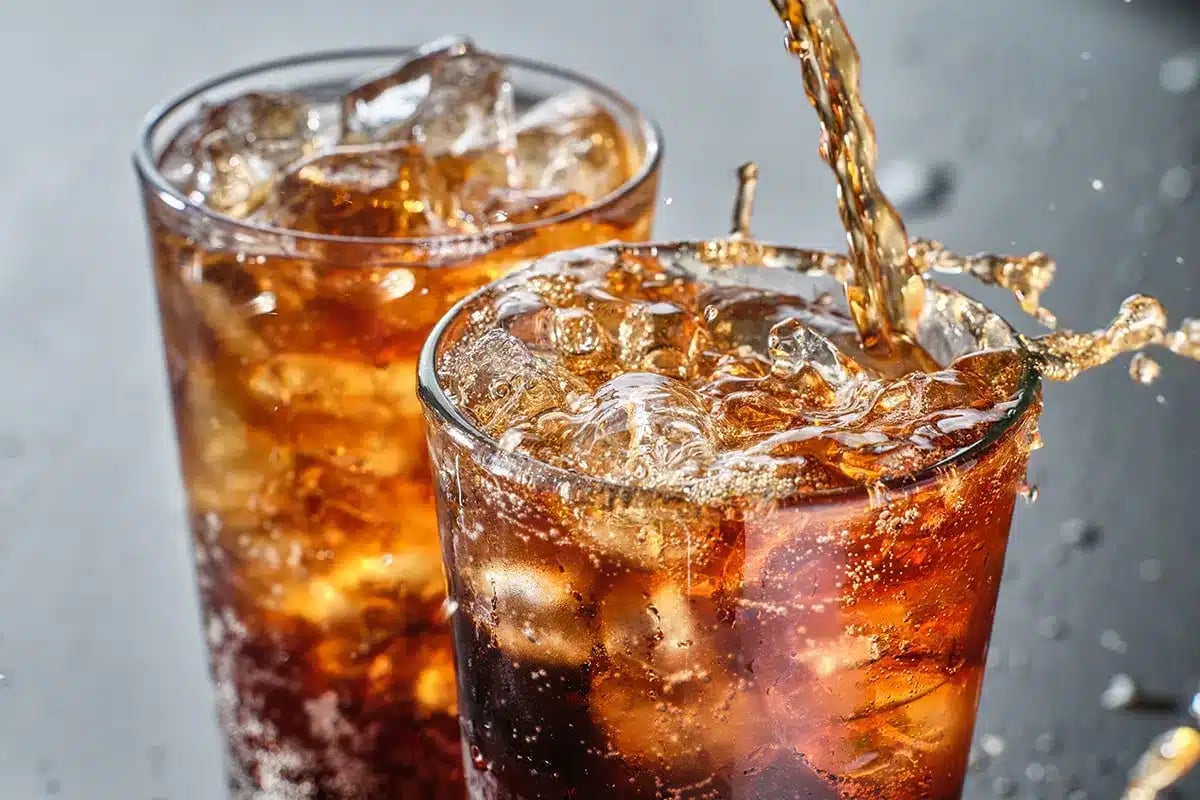
- Soda: A single 20-ounce soda contains approximately 250 calories and 70 grams of sugar—equivalent to 15 teaspoons of sugar—with zero nutritional benefit.
- Coffee Drinks: A large seasonal latte from a popular chain can exceed 420 calories and 50 grams of sugar.
- Fruit Juice: A glass of orange juice has 120 calories and 22 grams of sugar, whereas a whole orange is only 45 calories and provides essential fiber.
- Wine and Cocktails: A 5-ounce glass of wine is 125 to 150 calories. An 8-ounce margarita is 370 calories. A 12-ounce pina colada is a whopping 650 calories!
The Science of Satiety: Why the Brain Ignores Liquid Calories
The body processes liquids differently from solid foods, which significantly influences how often you feel hungry. When you consume calories in liquid form, the brain does not receive the same fullness signals as it does with solid food. This liquid calorie impact on metabolism means you might consume 400 calories in a flavored coffee but still feel hungry for a full meal.
The Metabolic Trap: Liquid vs. Solid Food
The physiology of hunger relies on several factors, including the physical act of chewing and the time food spends in the stomach. The following points explain why liquid nutrition often fails to satisfy:
- Liquid calories move through the digestive tract much more quickly than solid proteins or fiber.
- The absence of chewing prevents the early release of satiety hormones.
- The rapid transit of liquids leads to swift insulin spikes, which can trigger fat storage.
- The brain does not register liquid intake as a source of lasting energy.
Understanding these biological responses helps patients make better choices that support weight loss and long-term management.
Identifying “Hidden” Caloric Obstacles
Clinical insights from obesity medicine specialists, including Dr. Robert Ziltzer, suggest that many beverages marketed as healthy can hinder fat loss. Navigating the social environments of Scottsdale and Phoenix requires understanding how these liquids affect your metabolic goals. Recognizing these traps is a key component of a personalized weight management strategy.
The “Healthy” Smoothie Myth: Too Much Sugar, Not Enough Fiber
Many people turn to smoothies as a meal replacement, believing they are nutritious. However, the process of blending fruit breaks down the fiber that helps regulate blood sugar. This results in a concentrated dose of sugar that promotes fat storage rather than weight loss.
Alcohol and Weight Loss: More Than Just Empty Calories
Alcohol presents a unique challenge for those seeking weight loss in the Phoenix metro area. Beyond the calories in the drink itself, alcohol impairs the body’s ability to burn fat while it processes alcohol. For more details, read our specialists’ take on alcohol and weight loss for those navigating the local social scene.
How Drinking Your Calories Impacts Medical Weight Loss Success
From an obesity medicine perspective, the way the body processes liquid sugar is a critical health marker. Sugar-sweetened beverages are rapidly absorbed, causing insulin levels to rise quickly to help keep blood sugar in check. Over time, this leads to insulin resistance, pre-diabetes, and obesity.
Removing these drinks has a significant impact. By cutting out just one 250-calorie drink a day, patients can lose at least 2 pounds a month without changing their diet. Discover how our Jumpstart Program uses structured nutrition to eliminate these traps.
Smart Hydration: Maintaining Metabolic Health During Weight Loss
Staying hydrated during an Arizona summer is vital without stalling your progress. Choosing the right fluids helps you stay cool while keeping your calorie intake low:
- Increase your water intake: Dress up your water by adding a squeeze of fresh lemon or lime. You can also try calorie-free flavored or sparkling water.
- Experiment with new teas: There are many flavorful varieties that provide taste without added sugars.
- Make your coffee at home: Control your ingredients and avoid the high-calorie additives found in fancy coffee shop drinks.
- Skip your morning juice: Opt for whole fruits instead of orange, apple, or cranberry juice to keep the fiber intact.
- Choose lower-calorie alcoholic options: Follow any alcoholic beverage with water or seltzer to stay hydrated and reduce your overall calorie intake.
- Journal your daily intake: Log your liquid calories to stay aware of their impact. There are many apps available to help you calculate and track these in real-time.
Take Control of Your Health with Nutrition Coaching at Scottsdale Weight Loss Center
Stop letting hidden calories in drinks compromise your weight loss progress. Partner with our Arizona medical weight loss doctors to replace liquid sugars with high-protein alternatives that stabilize appetite. Whether in Scottsdale, Phoenix, or Glendale, our medical weight loss clinic provides the clinical tools for successful medical weight loss. Schedule your consultation today to take the first step toward lasting health.
About the Author
Robert Ziltzer, MD is a medical weight loss specialist at Scottsdale Weight Loss Center who provides patients with a medically supervised, evidence-based approach to achieving safe and lasting weight loss. He is board-certified in Obesity Medicine and is recognized among Arizona’s top physicians, having been consistently named a Top Doctor by both Phoenix Magazine and Scottsdale 101 Magazine. Dr. Ziltzer takes a personalized, patient-centered approach to care, working closely with each individual to understand their health profile, lifestyle, and goals in order to develop a customized program that supports long-term success and improved overall wellness.

Nick
Nick's Story
"I wish I would have come here first. We spend all our time reacting to the next great weight loss tip or program. It might work for a while, but does not last and we end up yo-yoing from one fad to the next – as we gain more weight." Read More
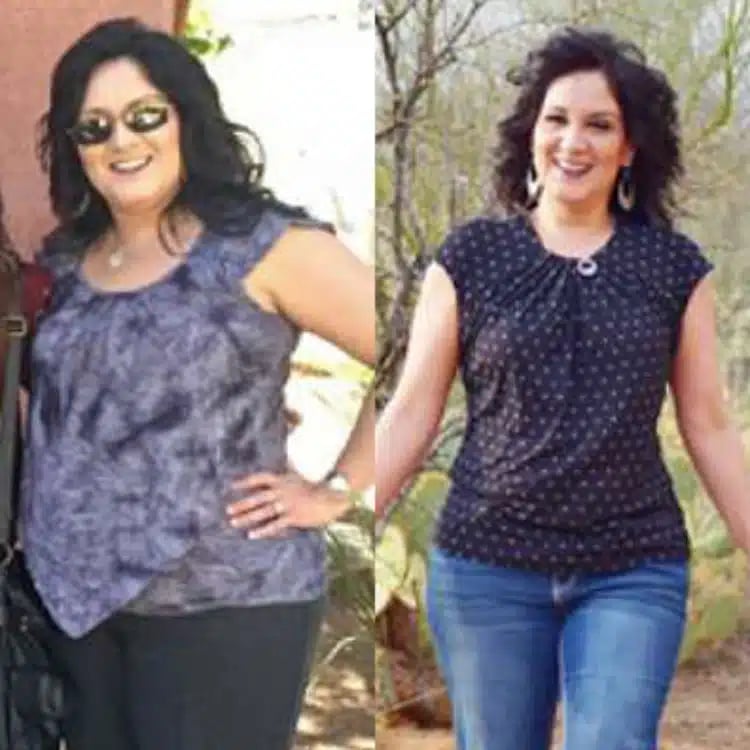
Gina
Lost 44.5 lbs
"I had no trouble adhering to the meals and they really helped catapult my progress! The classes were so beneficial to me because they helped change my thinking about how I viewed health, nutrition, and fitness.
I will always have my relationship with Scottsdale Weight Loss Center. They truly helped me change my life forever." Read More
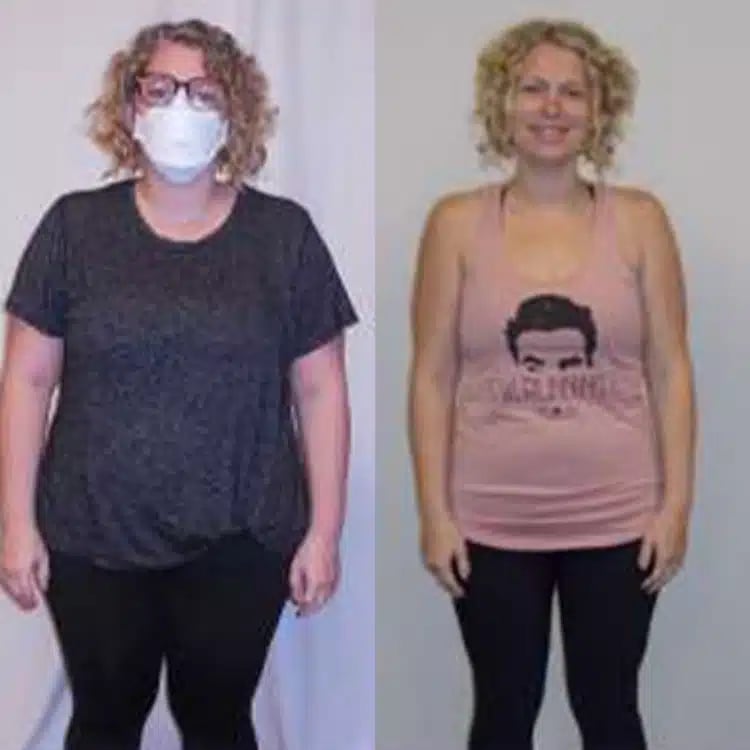
Lauren
Lost 60 lbs
"Dr. Ziltzer and everyone who I have come in contact with at the Scottsdale Weight Loss office have been so encouraging and I look forward to seeing them each week. It is now a year and 2 months later since I started. I am down 60 lbs., which is the average amount a 9-year-old weighs, it is crazy to think I lost a whole person! I feel amazing, I hit my goal weight in November 2021 just before Thanksgiving. Nothing on my body hurts anymore..." Read More
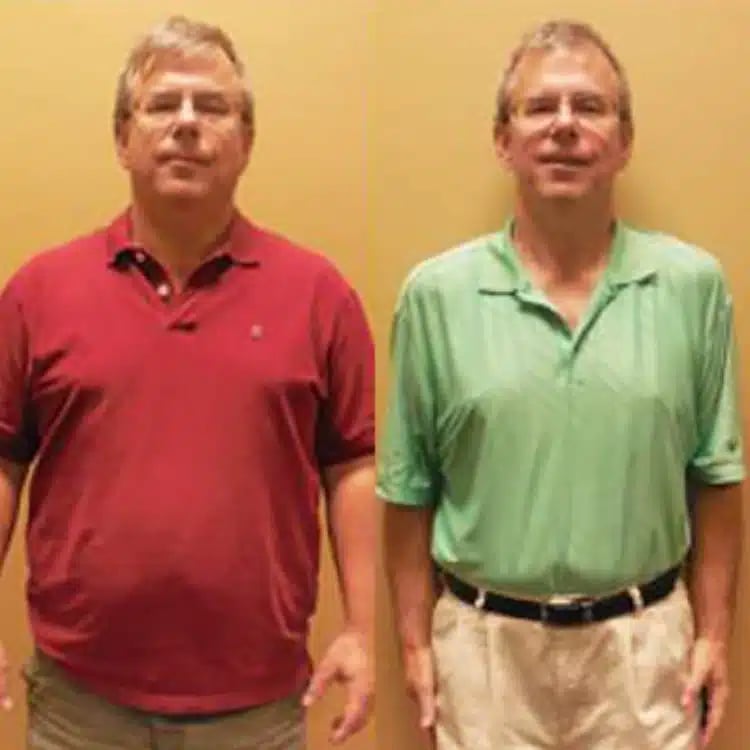
Chuck
Lost 66 lbs
"The best thing I did was call the Scottsdale Weight Loss Center. I have a lot more energy, I'm not hungry, and it feels great.
You can take it from me that this is a program that produces results. The staff is always positive, supportive, and never judgmental.
Your visits always result in positive reinforcement, no matter if you had a good week or a bad week." Read More

Emily
Lost 101 lbs
"Here I am at the lowest I have been since high school weighing in at 155lbs. I have lost 101 lbs, BMI of 39 when I started, to 21.6, and of course at body fat % of 47.1 to 26.5%. I told myself by my 30th birthday I wanted to be confident in the way I look and I owe it all to SWLC. The entire staff is so welcoming and they are rooting for you just as much as you are rooting for yourself...." Read More
Reviews
Meet Our Team

Robert Ziltzer, MD, FACP, FAAP, FOMA
Obesity Medicine Certified Physician

Diana Bone, FNP-C
Specializing in Obesity Medicine

Craig Primack, MD, FACP, FAAP, MFOMA
Obesity Medicine Certified Physician

Kristen Ash, FNP-C, FNP-BC
Nurse Practitioner

Alicia Earley, FNP-C
Family Nurse Practitioner
