
When most people try to lose weight, they watch one number: the scale. But not all weight loss is...
Is Brown Rice Healthier Than White Rice?
By: Dr. Craig Primack
Published: February 27, 2026

Please Don’t Drink Your Calories if You’re Focused on Weight Loss
Liquid calories are fluids consumed as part of your daily diet that often go unnoticed and...
Rock Climbing: Lose Weight on the Wall
If your weight loss efforts have hit a wall, why not climb it? Rock climbing is becoming an...
Weight Watchers vs. Medical Weight Loss Programs in Scottsdale: Comparing the Results
Many residents in Scottsdale, Phoenix, and Glendale struggle with weight loss plateaus despite...
Arizona Medical Weight Loss Programs vs Online Programs: Which One Provides the Best Results?
The weight loss landscape has shifted significantly with the rise of digital health platforms....
Tirzepatide vs. Semaglutide: Which Weight Loss Medication is Better?
Modern medical weight loss has been changed by the arrival of highly effective prescription...
Is brown rice better than white rice? Intuitively, one would think that brown rice is much healthier, because it is ‘less processed.’ Rather than trusting intuition, let’s look at the data.
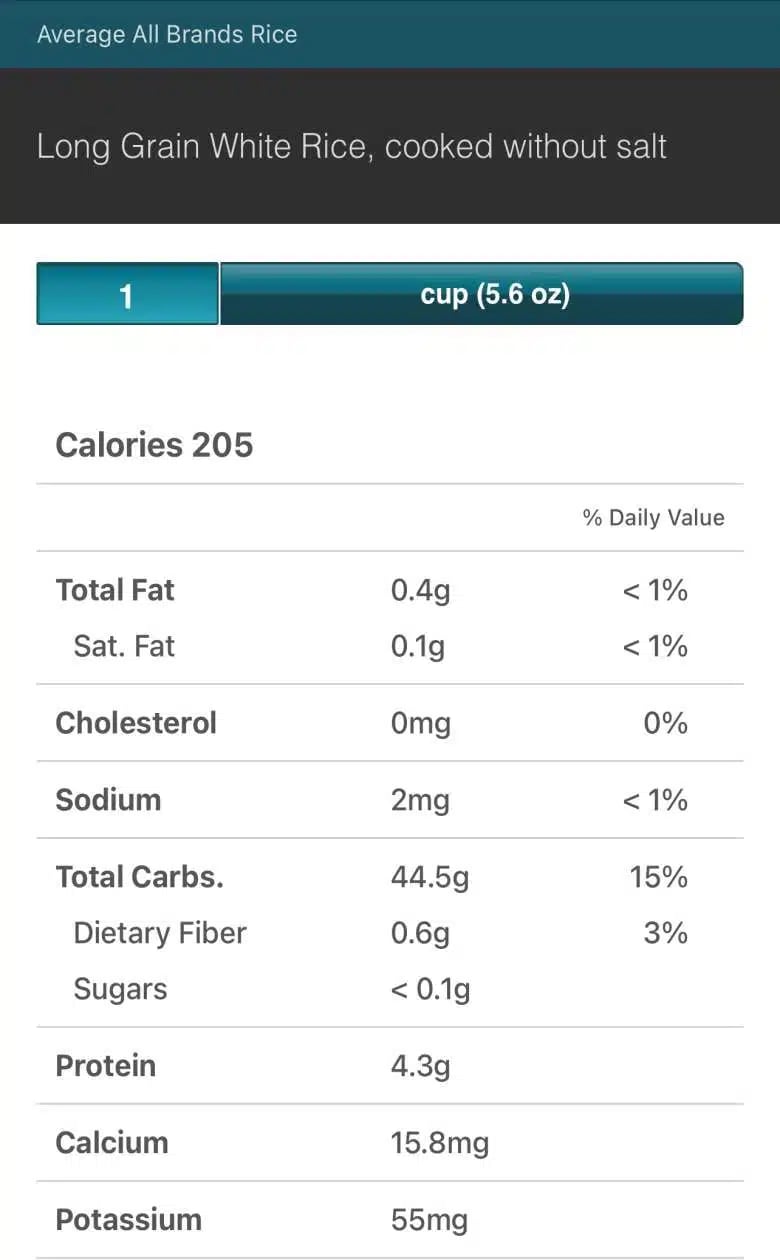
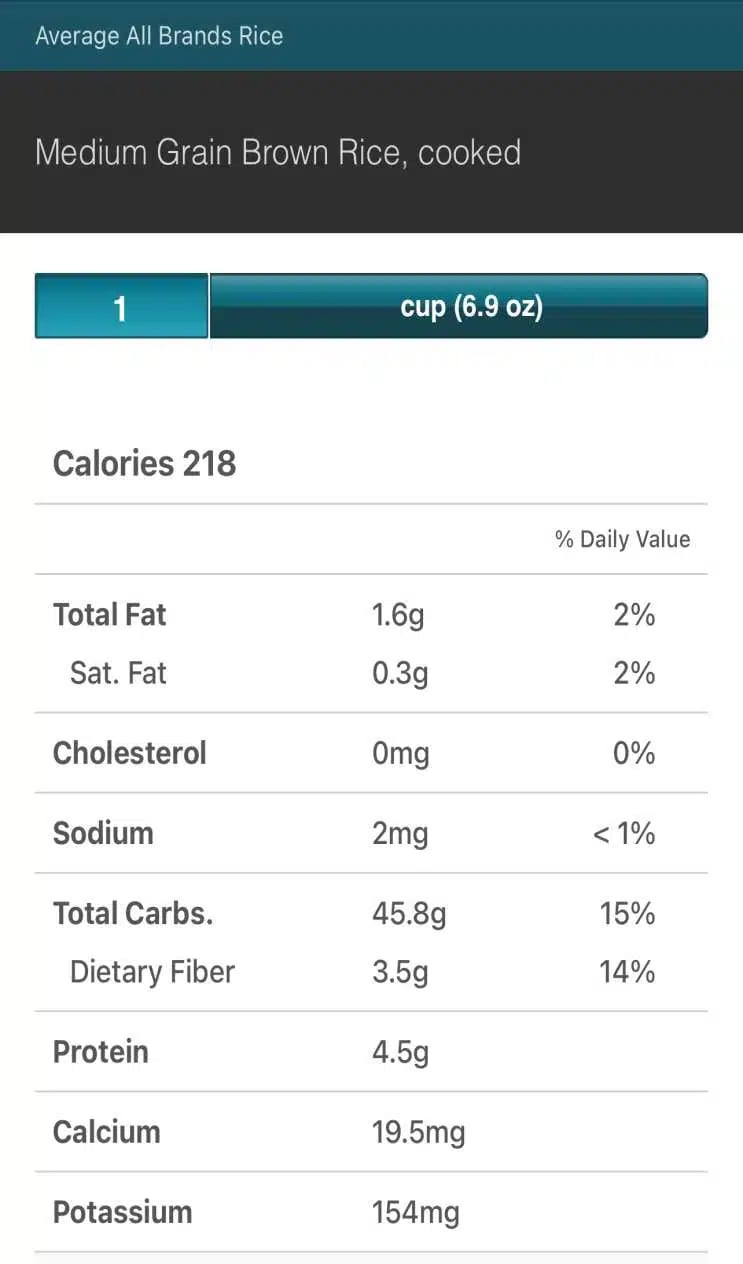
Disclaimer: A serving of rice is ½ cup, and the numbers below are for 1 cup, so please take that into account when meal planning.
The “Skinny” on Rice: Why Scottsdale Patients Struggle with Carbs
From a weight perspective, calories are a primary factor. One cup of brown rice contains 218 calories, while white rice contains 205. This negligible difference means that for pure calorie counting, it is a tie. However, our dietitians in Scottsdale, AZ, headed by Dr. Ziltzer, focus on more than just the number on the scale; we look at metabolic impact. High-carb intake, even from “healthy” grains, can often be the hidden reason many people experience weight-loss plateaus.
Brown vs. White Rice: A Medical Weight Loss Comparison
Calories: From a weight perspective, calories matter. One cup of brown rice contains 218 calories, compared to 205 calories in white rice. The differences in these numbers are negligible.
Verdict: Tie score!
Carbohydrates and Fiber: Calories from carbs (in particular, non-fiber carbs) are more likely to cause weight gain and blood sugar elevations. White rice contains 44.5 carbs, and brown rice contains 45.8. When you subtract the fiber-containing carbs, you are left with white rice, netting 44 carbs, and brown rice 42 carbs. Keep in mind that every 4 grams of carbs equals one tsp of sugar.
White rice is converted to 11 tsp of sugar, and brown rice to 10.5 tsp. They both are packed with fat-building carbs! While the differences here are small, brown rice has a small advantage: more fiber. While white rice has almost no fiber, brown rice provides 10% of your daily fiber needs. That’s a lot of carbs just to get a relatively small amount of fiber.
If you need fiber, you are better off taking a supplement such as Benefiber® (water-soluble fiber) or Metamucil® (water-insoluble fiber).
Verdict: slight advantage brown rice.
Glycemic Index (GI): GI is a measure of a food’s effect on blood sugar. This is important because the faster a food’s starches and sugars are absorbed, the greater the likelihood that it will raise blood sugar levels. This can trigger the release of insulin, the hormone that forces sugar into fat cells. The goal is to keep insulin levels low and steady. Glucose has a glycemic index of 100, the highest level possible. Water has a GI of 0. White rice has a GI of 89, while brown rice has a GI of 50. That’s a big difference when you consider that Cola’s GI is 63. Note that there’s not much advantage to white bread (GI of 73) vs the average whole wheat bread (GI of 71).
Verdict: advantage brown rice.
How Rice Choices Fit Into a Medical Weight Loss Plan
If you are in Scottsdale and want a personalized diet plan for weight loss, our team can help. Don’t guess which carbs are stalling your progress—get a plan backed by medical science.
For patients on a physician-led program, such as our Jumpstart Program, rice intake is carefully monitored to optimize fat burning. If you are using GLP-1 medications like Wegovy or Ozempic, combining rice with protein is essential to reduce the risk of blood sugar spikes. Get a customized nutrition plan from our AZ weight loss team to see how these choices fit into your routine.
The Clinical Edge: Board-Certified Expertise in Arizona
As board-certified obesity medicine specialists and authors of the definitive weight loss guide “Chasing Diets,” Dr. Robert Ziltzer, Dr. Craig Primack, and the team prioritize metabolic science over calorie counting. They understand that sustainable weight loss requires a deep understanding of how specific foods—including rice—impact your unique biology.
Our physicians have been named “Top Docs” by Phoenix Magazine for their commitment to excellence in the Valley. When you partner with us, you are gaining access to the gold standard of medical weight loss in Arizona.
Why Personalized Coaching Beats “Google Advice”
Sustainable weight loss isn’t just about choosing brown rice over white; it’s about a comprehensive medical strategy. Visit one of our 4 Valley locations or start with a virtual consultation today. Let’s build your sustainable meal plan together!
Sources:
Calorieking.com
https://lpi.oregonstate.edu/mic/food-beverages/glycemic-index-glycemic-load
About the Author
Craig Primack, MD, FACP, FAAP, MFOMA, is the Founder and Managing Member of Scottsdale Weight Loss Center and a leading physician in medical weight loss. Dr. Primack takes a comprehensive, personalized approach—getting to know each patient’s lifestyle, goals, and challenges in order to create a clinically proven program that supports safe, significant weight loss and may help reduce the severity of conditions such as diabetes and hypertension. He is board-certified in obesity medicine, internal medicine, and pediatrics and has been named a Top Doctor by Phoenix Magazine since 2008, and previously served as president of the Obesity Medicine Association, a national organization of more than 5,500 physicians dedicated to treating obesity and related diseases.

Nick
Nick's Story
"I wish I would have come here first. We spend all our time reacting to the next great weight loss tip or program. It might work for a while, but does not last and we end up yo-yoing from one fad to the next – as we gain more weight." Read More

Gina
Lost 44.5 lbs
"I had no trouble adhering to the meals and they really helped catapult my progress! The classes were so beneficial to me because they helped change my thinking about how I viewed health, nutrition, and fitness.
I will always have my relationship with Scottsdale Weight Loss Center. They truly helped me change my life forever." Read More

Lauren
Lost 60 lbs
"Dr. Ziltzer and everyone who I have come in contact with at the Scottsdale Weight Loss office have been so encouraging and I look forward to seeing them each week. It is now a year and 2 months later since I started. I am down 60 lbs., which is the average amount a 9-year-old weighs, it is crazy to think I lost a whole person! I feel amazing, I hit my goal weight in November 2021 just before Thanksgiving. Nothing on my body hurts anymore..." Read More

Chuck
Lost 66 lbs
"The best thing I did was call the Scottsdale Weight Loss Center. I have a lot more energy, I'm not hungry, and it feels great.
You can take it from me that this is a program that produces results. The staff is always positive, supportive, and never judgmental.
Your visits always result in positive reinforcement, no matter if you had a good week or a bad week." Read More

Emily
Lost 101 lbs
"Here I am at the lowest I have been since high school weighing in at 155lbs. I have lost 101 lbs, BMI of 39 when I started, to 21.6, and of course at body fat % of 47.1 to 26.5%. I told myself by my 30th birthday I wanted to be confident in the way I look and I owe it all to SWLC. The entire staff is so welcoming and they are rooting for you just as much as you are rooting for yourself...." Read More
Reviews



Meet Our Team

Robert Ziltzer, MD, FACP, FAAP, FOMA
Obesity Medicine Certified Physician

Diana Bone, FNP-C
Specializing in Obesity Medicine

Craig Primack, MD, FACP, FAAP, MFOMA
Obesity Medicine Certified Physician

Kristen Ash, FNP-C, FNP-BC
Nurse Practitioner

Alicia Earley, FNP-C
Family Nurse Practitioner
