
Is brown rice better than white rice? Intuitively, one would think that brown rice is much...
Drink Water For Better Metabolic Health
By: Scottsdale Weight Loss Center
Published: April 20, 2010

Tirzepatide vs. Semaglutide: Which Weight Loss Medication is Better?
Modern medical weight loss has been changed by the arrival of highly effective prescription...
The Wegovy Pill is Here: Is an Oral GLP-1 Right for You?
Recent clinical developments have introduced the Wegovy pill as a non-invasive option for those...
Menopause and Weight Gain: Why It Happens and What You Can Do About It
You’re Not Imagining It—Menopause Makes Weight Loss Harder Many women notice that once menopause...
Why does fat mass loss not always result in overall weight loss
Fat Mass Loss And Overall, Weight Loss It does—but not always immediately, and not always in a...
Lose the Weight or Lose the Leg
“Lose the weight or lose the leg.” It has been over 20 years since I heard these blunt words from...
Drinking plenty of water is essential to maintaining optimum health. It can also be a big help to you during a weight loss program. Learn more about the benefits of drinking more water.
Prevent Weight Gain
Your kidneys are responsible for getting rid of waste, toxins, and excess nutrients. When you’re dehydrated, your kidneys aren’t able to function properly, so some of their burden is shifted to the liver, causing the liver to metabolize less fat. If your body is storing more fat because your liver is doing extra work for your kidneys, you may notice weight gain.
Promote Proper Brain Function
Research suggests that moderate dehydration can affect your concentration, alertness, motor speed, and the speed of your thinking. It can also make you feel fatigued and cause headaches or dizziness.
How Much Water Should You Drink?
The Institute of Medicine recommends that men drink 125 ounces of water per day and that women drink 91 ounces. For most people, that means drinking 8 to 10 glasses of water each day, with the remaining water coming from the food you eat. If you’re overweight, your body may need more water – an average of eight more ounces for every 25 pounds of excess weight – to make up for the increased metabolic demands.
To make sure you’re drinking enough water, practice having a glass first thing in the morning to rehydrate yourself after a night of sleep. You can also fight off hunger by drinking a glass of water before you eat anything. Eating more fruits and vegetables can also add to your daily water intake.
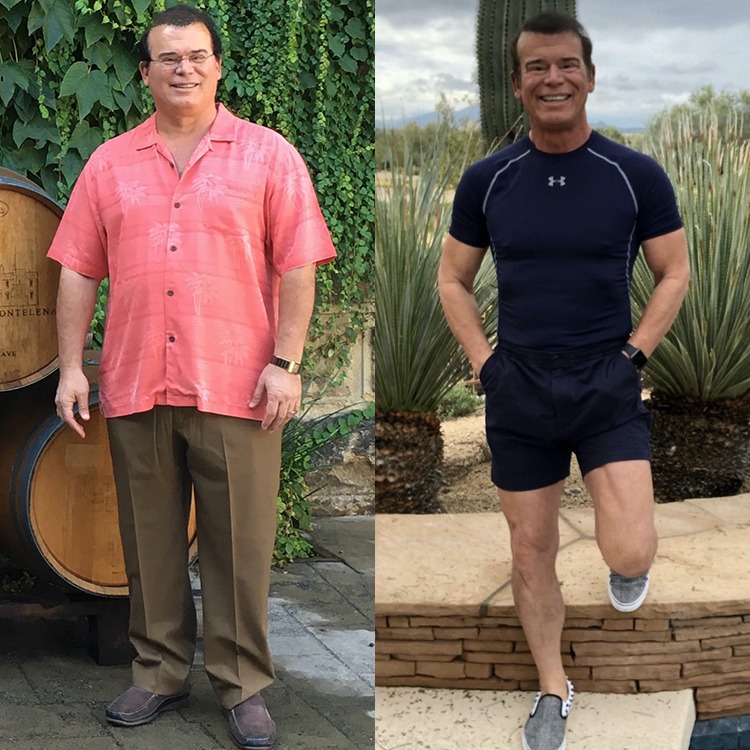
Nick
Nick's Story
"I wish I would have come here first. We spend all our time reacting to the next great weight loss tip or program. It might work for a while, but does not last and we end up yo-yoing from one fad to the next – as we gain more weight." Read More
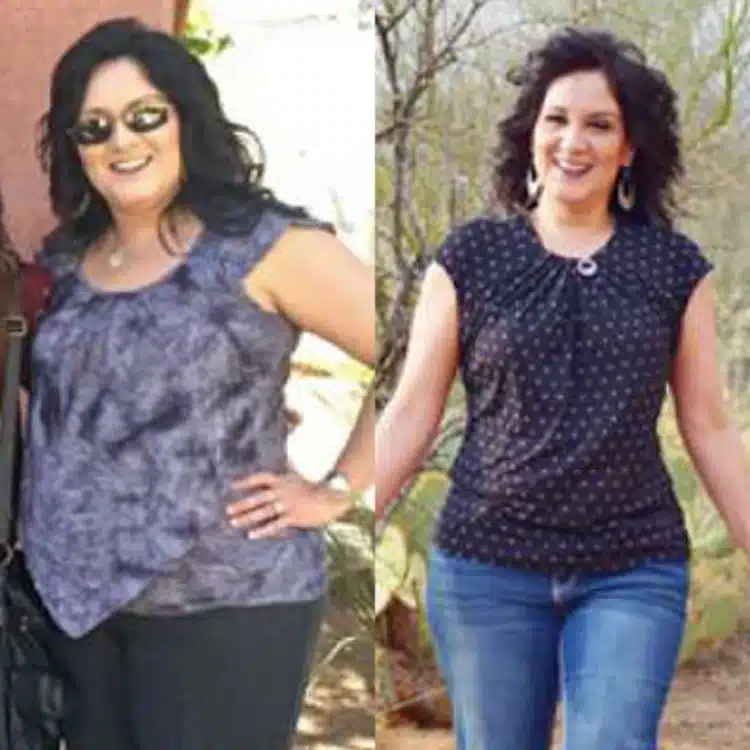
Gina
Lost 44.5 lbs
"I had no trouble adhering to the meals and they really helped catapult my progress! The classes were so beneficial to me because they helped change my thinking about how I viewed health, nutrition, and fitness.
I will always have my relationship with Scottsdale Weight Loss Center. They truly helped me change my life forever." Read More
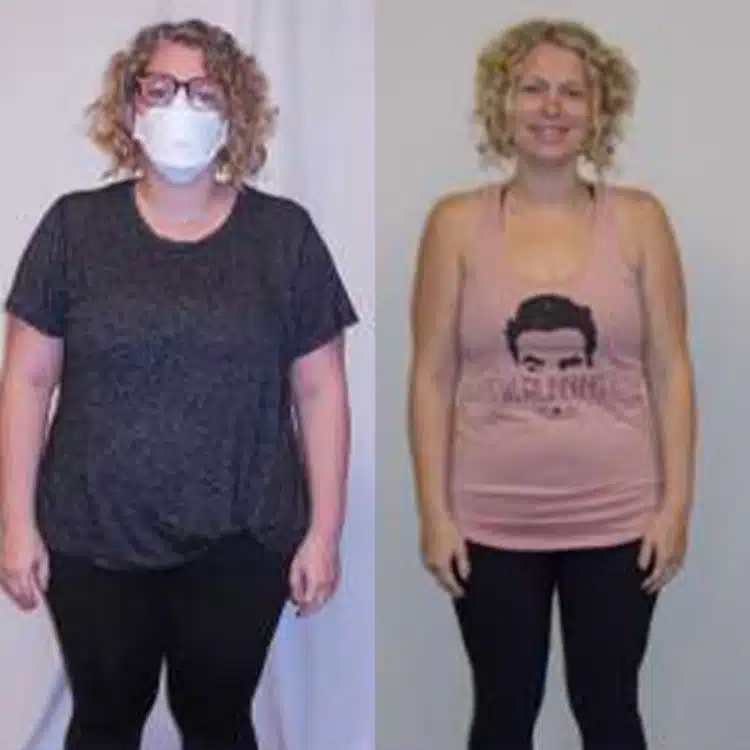
Lauren
Lost 60 lbs
"Dr. Ziltzer and everyone who I have come in contact with at the Scottsdale Weight Loss office have been so encouraging and I look forward to seeing them each week. It is now a year and 2 months later since I started. I am down 60 lbs., which is the average amount a 9-year-old weighs, it is crazy to think I lost a whole person! I feel amazing, I hit my goal weight in November 2021 just before Thanksgiving. Nothing on my body hurts anymore..." Read More
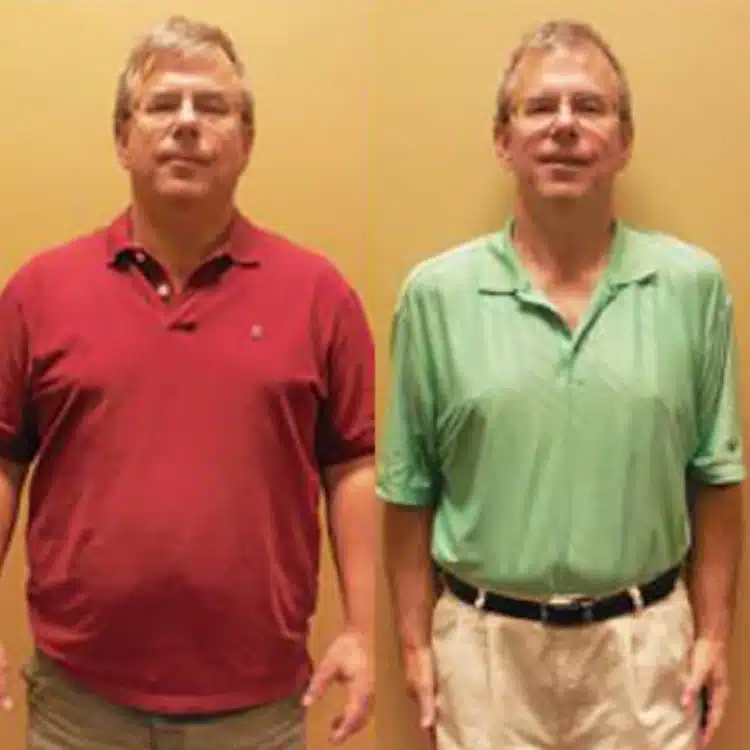
Chuck
Lost 66 lbs
"The best thing I did was call the Scottsdale Weight Loss Center. I have a lot more energy, I'm not hungry, and it feels great.
You can take it from me that this is a program that produces results. The staff is always positive, supportive, and never judgmental.
Your visits always result in positive reinforcement, no matter if you had a good week or a bad week." Read More
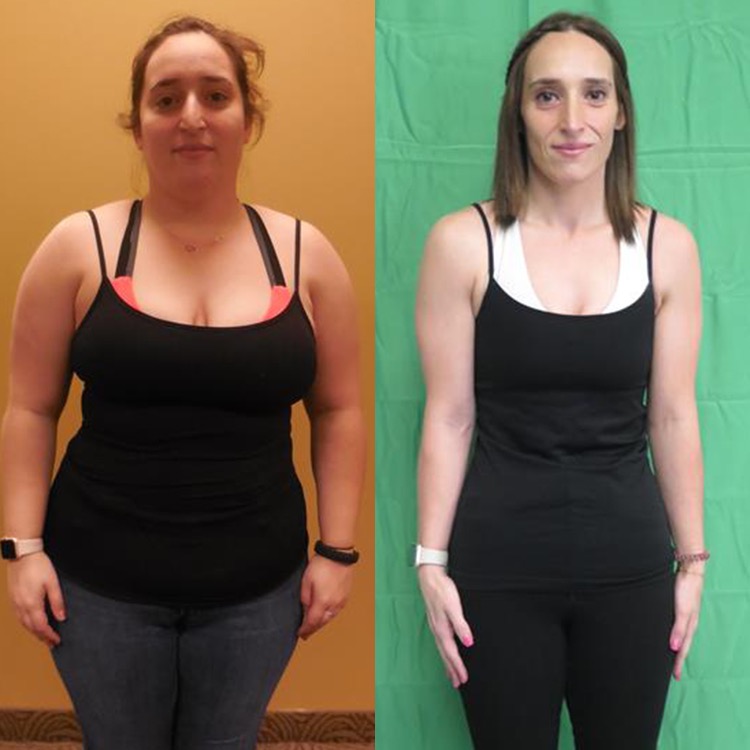
Emily
Lost 101 lbs
"Here I am at the lowest I have been since high school weighing in at 155lbs. I have lost 101 lbs, BMI of 39 when I started, to 21.6, and of course at body fat % of 47.1 to 26.5%. I told myself by my 30th birthday I wanted to be confident in the way I look and I owe it all to SWLC. The entire staff is so welcoming and they are rooting for you just as much as you are rooting for yourself...." Read More
Reviews
Meet Our Team

Robert Ziltzer, MD, FACP, FAAP, FOMA
Obesity Medicine Certified Physician

Diana Bone, FNP-C
Specializing in Obesity Medicine

Craig Primack, MD, FACP, FAAP, MFOMA
Obesity Medicine Certified Physician

Kristen Ash, FNP-C, FNP-BC
Nurse Practitioner
Alicia Earley, FNP-C
Family Nurse Practitioner
